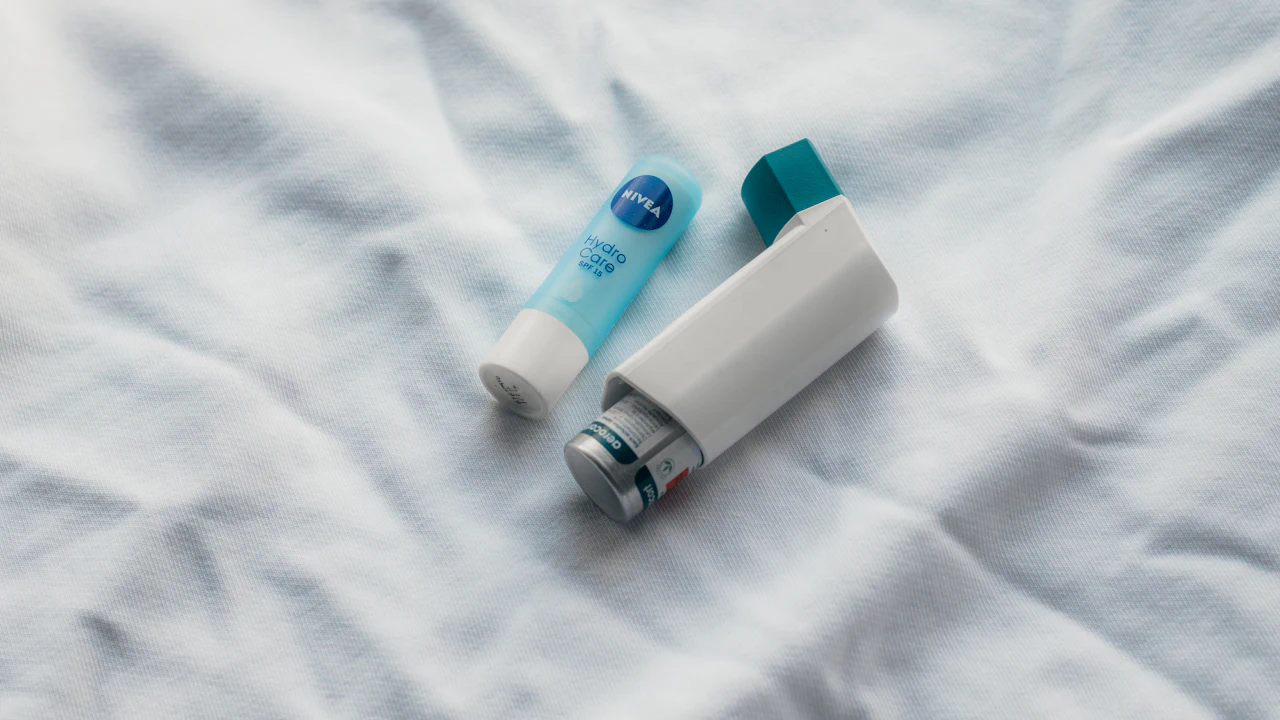
Scuba diving with asthma is one of the most common health questions we get from people planning a first course. Some were told years ago that asthma rules diving out for good. Others had asthma as a child and are not sure whether it still counts.
This guide is for anyone with asthma, past or present, who is thinking about learning to dive or trying it for the first time. We are a dive shop, not doctors, so we explain why asthma matters underwater, what the Divers Alert Network (DAN) says about current thinking, and how the medical paperwork works. Whether you personally can dive is a question only your physician can answer.
Is scuba diving with asthma allowed?
Quick answer: It depends on you and your doctor. DAN explains that divers with asthma were once excluded, but some expert groups now accept divers whose asthma is mild or moderate and well controlled. Answer the asthma question on the dive medical questionnaire honestly, then let a physician assess you and sign off before any in-water training.
Why asthma is a concern for divers
Asthma is a disease in which the breathing tubes, the bronchi, narrow in response to triggers. According to DAN’s guide to asthma and diving, common triggers include pollen and other allergens, cold air, airborne irritants, and colds or flu. DAN cites figures showing that about 1 in 13 Americans has asthma, so the question comes up often.
Underwater, narrow airways cause three separate problems. Each one is manageable on land but harder to handle at depth.
Air trapping on the way up
As a diver ascends, the air in the lungs expands and must flow out. DAN explains that if trapped gas expands faster than it can be breathed out through narrowed airways, the lung may rupture. That kind of injury can lead to a collapsed lung or an arterial gas embolism, where air bubbles enter the bloodstream.
Breathing harder underwater
Every diver breathes against some resistance from the regulator, and the air you breathe at depth is denser than at the surface. DAN notes that narrowed airways move less air, which adds to that load. Breathing becomes more work just when you may need it most.
Exercise, cold and attacks in the water
On land, you can stop and rest when you get short of breath. DAN points out that this may not be possible underwater, for example when swimming against a current. Cold air and exercise are both known triggers.
DAN also reports the view of the South Pacific Underwater Medical Society that diving may trigger an attack. The risk is breathlessness, then panic, then drowning, and it applies at the surface as well as at depth.
Can asthmatics scuba dive? What DAN says now
DAN describes diving with asthma as a long-running debate. Historically, divers with asthma were simply excluded. Today, different expert bodies draw the line in different places, which is one reason the answers you find online seem to disagree.
| Source DAN cites | Position on asthma and diving | What the diver needs |
|---|---|---|
| Experts at the Undersea and Hyperbaric Medical Society | Mild intermittent, mild persistent or moderate persistent asthma may be acceptable | Asthma that is well controlled |
| United Kingdom guidance | Diving may be allowed with well-controlled asthma | No reliever inhaler needed in the last 48 hours, and no asthma brought on by cold, exercise or emotion |
| Australian practice | Lung testing for every diver | A spirometry test before certification |
| DAN’s advice to physicians | Assess each diver individually | Lung function testing and an exercise test to judge severity |
DAN adds that if treatment can bring lung function test results back to normal, especially after exercise, a diver may be able to dive. Severe persistent asthma is not on the accepted list in any of these positions. None of this is a ruling on your case, but it gives you useful questions to take to your doctor.
Asthma and the diving medical form
Before any scuba program, you fill in a diver medical questionnaire. It asks about asthma or wheezing and other lung problems. Our guide to the scuba diving medical questionnaire and physician sign-off walks through the form question by question.
Answer honestly. A yes does not end your plans. It leads to follow-up questions and, where the form calls for it, a physician who reviews your health and signs before you go in the water. Hiding a condition only removes the one check designed to keep you safe.
Getting the physician’s sign-off
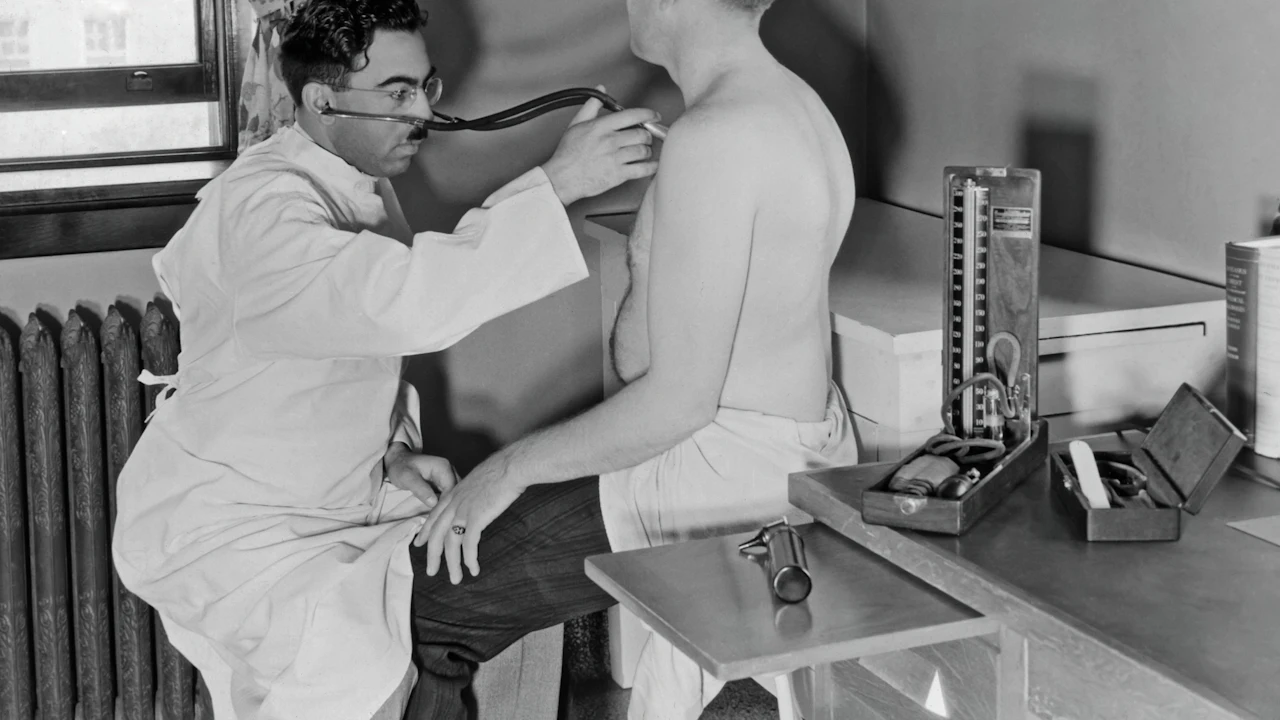
DAN suggests that prospective divers with asthma have their lung function measured with spirometry and do an exercise test. It also advises physicians to consult someone who knows both diving medicine and asthma treatment. If your family doctor is unsure, ask for a referral to a physician with dive medicine experience.
- Download and complete the medical questionnaire well before your trip.
- Book a visit with your doctor and bring the form with you.
- Ask what tests your doctor wants, and leave time for them.
- Pack the signed form with your travel documents.

What to tell your instructor
DAN’s advice to divers with asthma is short: keep your inhaler on the boat and ready to use, and tell the dive operator about your condition. We would add a few points so your instructor can plan around you.
- That you have asthma, even if your doctor has signed you off.
- What usually triggers it for you, such as cold, exercise or allergies.
- Where your inhaler is and what you would need if symptoms started.
- Whether you feel tight-chested, have a cold or used your reliever recently.
Speak up on the day, too. If you do not feel right before a dive, say so and sit it out. A good instructor would always rather reschedule than push you.
Trying diving for the first time
If you just want a taste of diving, a Discover Scuba Diving experience on Ambergris Caye still starts with the medical questionnaire, because one comes before any scuba program. Honest answers matter just as much for a single supervised dive. Our sibling guide on scuba diving with high blood pressure covers another common reason people need a doctor’s signature.
Learning with White Sands Dive Shop
White Sands Dive Shop is a 5 Star PADI Dive Facility on the beach in San Pedro, owned and operated by PADI IDC Staff Instructor Elbert Greer. Our overview of learning to dive on Ambergris Caye explains each course, and you will find course details and current course prices on our Water Sports page.
Students often write about how Elbert balances fun with care. Vivake K. Bhalla described him as “very friendly and fun, but equally very strict about safety”, and you can read more in the letters from Elbert’s dive students.
Scuba diving with asthma: your questions answered
Does asthma automatically disqualify you from scuba diving?
Not automatically. DAN explains that divers with asthma were historically excluded, but some expert groups now accept divers whose asthma is well controlled. Your physician makes the decision after reviewing your health and the dive medical questionnaire.
Can I bring my inhaler on a dive trip?
Yes, and DAN advises divers with asthma to keep their inhaler on the boat and ready to use. Tell your instructor where it is before the first dive.
What tests might my doctor ask for?
DAN suggests a lung function test called spirometry and an exercise test for prospective divers with asthma. Your doctor decides which tests you need.
I had asthma as a child. Do I need to mention it?
Answer the medical questionnaire honestly, including past asthma. If the form asks about it, a physician reviews your history and decides whether you are fit to dive.
Why does exercise-induced asthma matter for diving?
Diving can involve hard swimming, for example against a current, and DAN points out that stopping to rest may not be possible underwater. The UK guidance DAN describes excludes asthma brought on by exercise, cold or emotion.
Questions before your course? Ask Elbert
If you have asthma and are planning to dive with us, get in touch before your trip so the paperwork is sorted in good time. Email Elbert at elbertgreer@fastmail.fm or call 011 (501) 226 2405.