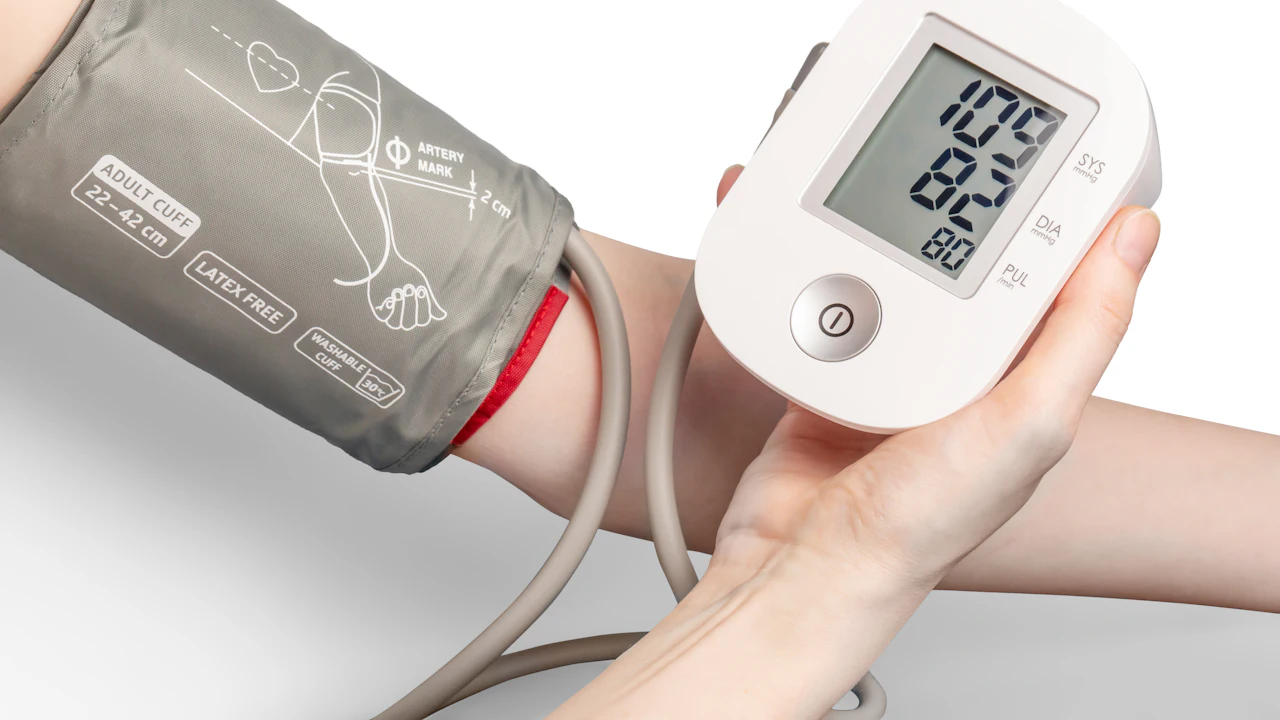
Scuba diving with high blood pressure is a question many of our students ask quietly, often after ticking a box on the medical form. High blood pressure is common, it often has no symptoms, and plenty of people who take a daily pill for it still want to see a reef up close.
This guide is for divers and would-be divers who have hypertension or take blood pressure medication. We are a dive shop, not doctors, so we explain why blood pressure matters underwater, what the Divers Alert Network (DAN) says about medications, and how the medical paperwork works. Whether you can dive is a decision for your physician.
Is scuba diving with high blood pressure possible?
Quick answer: DAN states that controlled hypertension is not a contraindication for diving, though it is one of several heart risk factors. The main questions are whether your pressure is controlled, whether organs are affected, and how your medication’s side effects might matter in the water. Your physician decides, using the dive medical questionnaire.
Why hypertension matters underwater
Blood pressure is the force your blood puts on the walls of your arteries, written as two numbers. In its guide to hypertension and diving, DAN gives 120/80 as a typical reading and notes that what counts as high varies a little between countries and references.
DAN calls hypertension a “silent killer” because most people feel nothing, yet it can lead to stroke, coronary artery disease, heart failure, an irregular heartbeat called atrial fibrillation, kidney disease and vision loss. It is common among divers as well as the general public.
The heart works harder in the water
DAN explains that immersion itself adds load to the heart, along with the body’s stress hormones. It also warns that cardiac arrest in the water has even worse outcomes than one on land. That is why DAN considers closer screening of divers with heart risk factors justified.

Blood pressure medication and diving
For a diver whose blood pressure is controlled and whose major organs are undamaged, DAN says the main concern is medication side effects. In DAN’s words, most antihypertensive drugs are compatible with diving as long as side effects are minimal and performance is not significantly affected.
| Medication class | What DAN notes for divers | Question to ask your doctor |
|---|---|---|
| Beta-blockers | May reduce maximum exercise tolerance and affect the airways, though usually not a problem for the average diver | Will this limit how hard I can swim if I need to? |
| ACE inhibitors | Often preferred for divers; a persistent dry cough is a possible side effect | Could a cough affect my breathing on a regulator? |
| Calcium channel blockers | May cause lightheadedness on standing | How should I handle standing up on a moving boat? |
| Diuretics | Need attention to hydration and blood electrolyte levels | How much should I drink on dive days? |
Two more points from DAN matter for trip planning. After you start or change a medication, allow several weeks to see how the side effects settle. And do not stop your blood pressure medication before diving.
DAN also notes that side effects such as dehydration, dizziness, a cough or reduced exercise capacity can be a reason not to dive until a physician has them under control. Your doctor knows your medication and your history, so bring these questions to them.

The medical form and your physician’s sign-off
Every PADI course starts with the Diver Medical Participant Questionnaire. If you are over 45, a yes on the age question leads to follow-up questions that include high blood pressure. Our guide to the scuba diving medical questionnaire and how the form works explains each box and when a doctor must sign.
Answer every question honestly. Where the form calls for a physician, your doctor reviews your health and marks you approved or not approved. Take the form to an appointment well before your trip so there is time for any tests.

Ongoing checks
DAN advises that anyone with a history of hypertension has a doctor watch for effects on the heart and kidneys. Regular physical exams also help catch long-term complications such as coronary artery disease. A diver who passed a check years ago still benefits from a fresh look.
Give yourself a margin, too. If a dive day comes and your readings or side effects have changed since your appointment, tell your instructor and check with your doctor before you get back in the water. Most dive trips include several days, so missing one rarely costs you the whole holiday.
- Download the medical questionnaire and answer it honestly.
- Book your doctor early, especially if your medication changed recently.
- Ask about side effects that could matter in the water.
- Bring the signed form with you and keep taking your medication as prescribed.

Fitness, age and diving
Fitness matters as much as the numbers on a blood pressure cuff. DAN advises physicians that a diver should be able to sustain a high level of effort for at least five to 10 minutes. A long swim against a current or back to the boat can ask that of you.
DAN also notes that older, overweight or unfit divers may need further evaluation. High blood pressure becomes more common with age, so our guide to scuba diving after 50 and staying fit to dive is a useful next read. Our sibling guide on scuba diving with asthma covers another condition that often needs a physician’s signature.
- Tell your instructor about your blood pressure and your medication.
- Mention any dizziness, especially when standing up.
- Drink water on dive days, particularly if you take a diuretic.
- Sit out a dive if you feel unwell. There is always another day.
Learning with White Sands Dive Shop
White Sands Dive Shop is a 5 Star PADI Dive Facility on the beach in San Pedro, owned and operated by PADI IDC Staff Instructor Elbert Greer. Our overview of learning to dive on Ambergris Caye explains each course, and you can check current course prices on our Water Sports page.
In his letter, Bryan Nelson recalls David Barnes remarking that they had found “perhaps the best possible open water instructor” to take Sam on his certification dives. You can read his full letter and others in the letters from Elbert’s dive students.
Scuba diving with high blood pressure: your questions answered
Does high blood pressure stop you from scuba diving?
Not necessarily. DAN states that controlled hypertension is not a contraindication for diving, but it is one of several heart risk factors, so a physician should assess you.
Should I stop my blood pressure medication before a dive trip?
No. DAN advises divers not to stop antihypertensive medication before diving. Talk to your doctor about any side effects instead.
Do beta-blockers affect diving?
DAN notes that beta-blockers may reduce maximum exercise tolerance and affect the airways, though this is usually not a problem for the average diver. Your doctor can tell you how it applies to you.
I just changed my medication. Can I still dive next week?
DAN suggests allowing several weeks after a medication change to watch for side effects. Ask your physician before you travel.
Why does fitness matter if my blood pressure is controlled?
DAN advises physicians that a diver should be able to sustain a high level of effort for at least five to 10 minutes, for example on a long swim against a current. Controlled readings and good fitness go together.
Planning a course? Talk to Elbert
If you have high blood pressure and want to dive with us, get in touch before your trip so the medical form is sorted early. Email Elbert at elbertgreer@fastmail.fm or call 011 (501) 226 2405.