
Fins are the engine of every dive. Knowing how to choose scuba fins comes down to four questions: how the fin holds your foot, what the blade is like, how well it fits, and what kind of water you will dive in.
This guide is for new divers, students about to start a course and travelers wondering whether to pack their own pair. We explain full-foot and open-heel fins, the main blade types, a simple fit test, and how your fins and kicks affect buoyancy and contact with the reef. You do not have to buy anything before your trip: fins are on our rental list.
How to choose scuba fins as a new diver?
Quick answer: Pick the heel style for your water first: full-foot fins suit warm water and travel, while open-heel fins with boots suit colder water and shore entries. Then choose a blade you can kick comfortably, and buy only a pair that holds your foot snugly without pinching, rubbing or slipping.
Open heel vs full foot fins
The first choice is how the fin holds your foot. A full-foot fin has a closed pocket that slips on like a shoe over a bare foot. An open-heel fin has an open back and an adjustable strap, and you wear it over neoprene boots.
The PADI blog’s guide to choosing your scuba footwear sums up the trade-off. Full-foot fins are light, travel-friendly and suited to warmer water, but they cannot be adjusted and give little foot protection. Open-heel fins are more powerful, especially with heavier gear, and the boots add comfort in colder water and when walking on land.
| Feature | Full-foot fins | Open-heel fins |
|---|---|---|
| How it fits | Closed pocket worn on a bare foot | Open back with an adjustable strap, worn over boots |
| Adjustable | No, the pocket must fit exactly | Yes, the strap tightens or loosens |
| Weight and packing | Light and easy to travel with | Heavier, and you also pack boots |
| Power | Fine for relaxed warm-water diving | More push, especially with heavier gear |
| Foot protection | Little | Boots protect your feet on land and rocks |
| Best suited to | Warm water and boat diving | Colder water and walking in from shore |
Blade types: paddle, split and stiffness
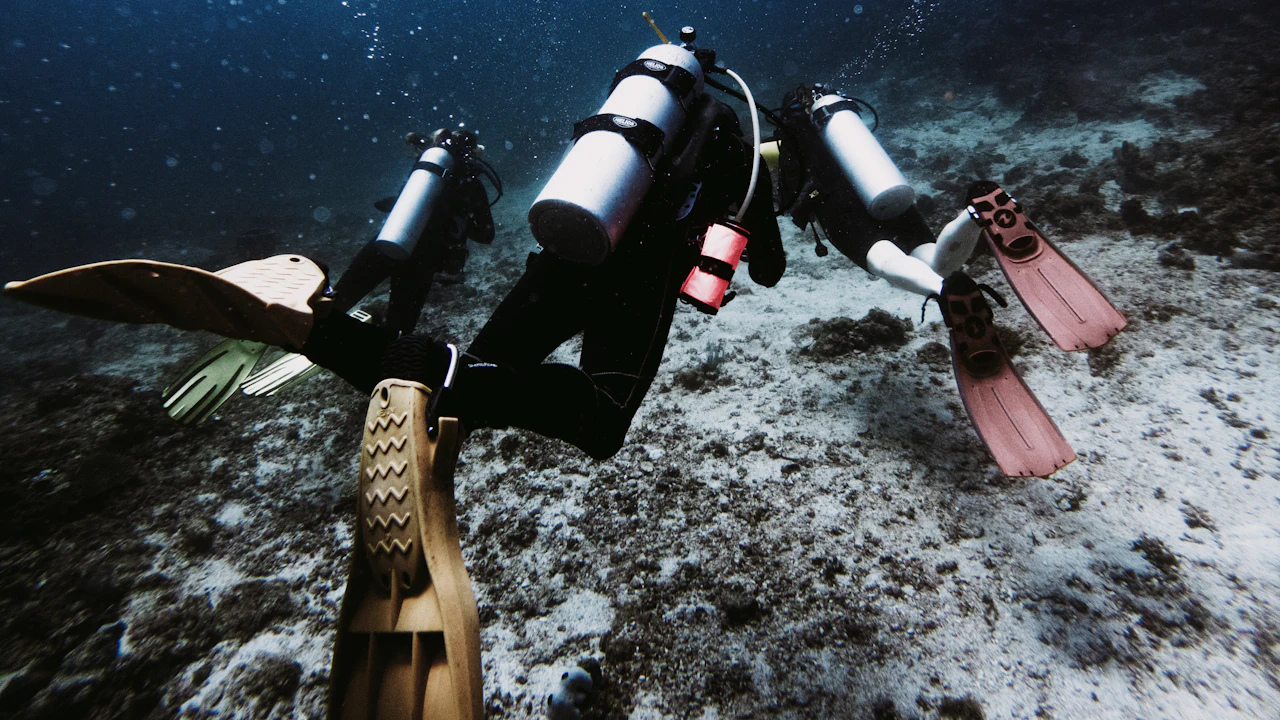
Once you know the heel style, look at the blade. The PADI blog describes four common designs, and each one rewards a slightly different kick.
- Paddle fins: a solid, rigid blade. They take more effort to kick but give good control, and they are often the simplest and least expensive style.
- Channel fins: softer materials that flex into a U shape on each kick, guiding the water straight back.
- Split fins: a blade divided down the middle that works best with quick, small flutter kicks. PADI calls them kinder on weaker legs but less precise for turning, reversing or frog kicks.
- Hinged fins: the blade pivots to set its angle, which makes them soft to kick but less maneuverable.
Stiff or soft blades
Stiffness is about matching the fin to your legs. A stiff blade moves more water per kick but asks more of your thighs and ankles. A softer blade is easier to move but gives less push in a current. If you are new, choose a blade you can kick steadily for a whole dive without your calves complaining.

How scuba fins should fit
A fin that fits badly costs you comfort, control and air. The PADI blog warns that poorly fitting fins can cause cramps and increase air consumption. Use this check whenever you try a pair, in a store or at a rental counter.
- Start with your shoe size, then try the fin on.
- For open-heel fins, wear your boots, since the extra thickness may mean a bigger fin size.
- Shake your foot in every direction. There should be no slipping, pinching or rubbing.
- Skip fins that feel too long or heavy; PADI notes they can lead to cramps and poor stability.
- If you can, borrow a buddy’s fins or try a few styles before you buy.
A full-foot pocket has no strap to fix a loose fit, so be strict with this test.
Best fins for beginners and warm-water trips
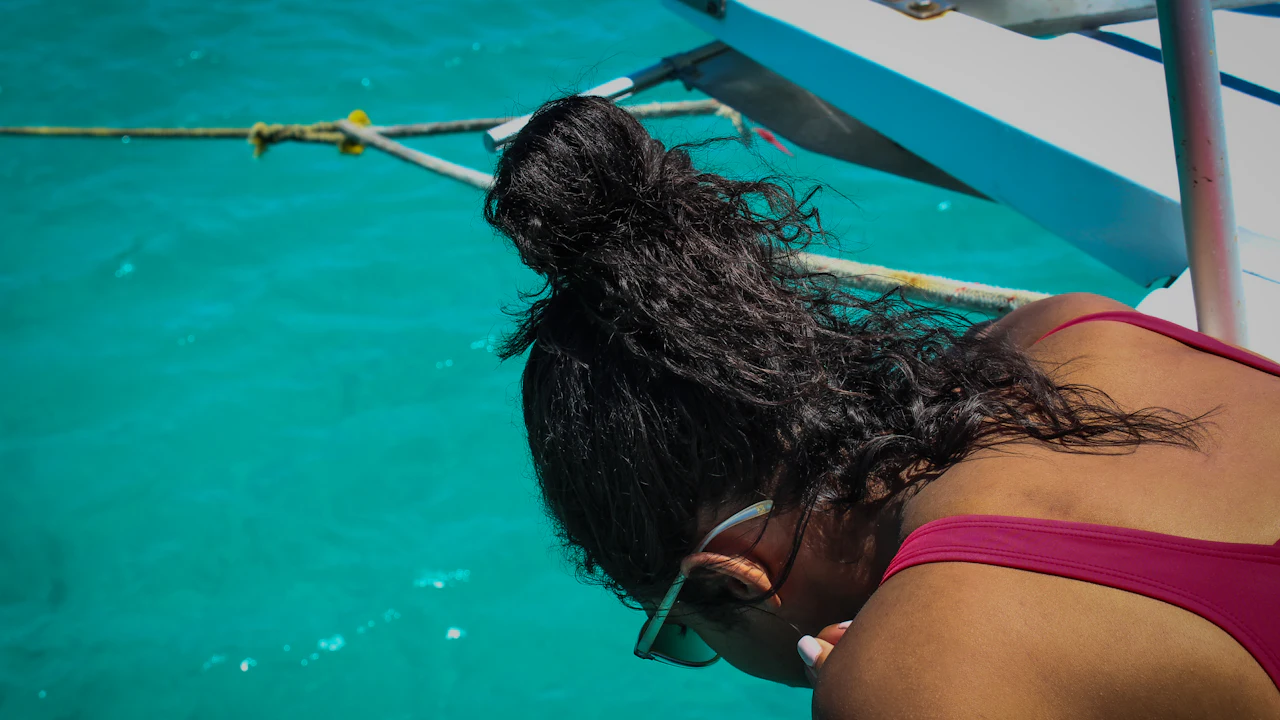
For a warm-water reef holiday, many divers find light full-foot fins the easy choice: nothing extra to pack, nothing to adjust, and they slip on at the side of the boat. If your feet are sensitive or you expect to walk over rocks, open-heel fins with thin boots give more protection.
Beginners do well with a simple, moderately stiff blade that responds to both the flutter kick and the frog kick. Our guide to wetsuit thickness for warm water covers the rest of the exposure kit, and our scuba gear rental guide for Ambergris Caye explains what renting involves.
Fin kicks, buoyancy and the reef
The right fin only helps if you use it well. Two kicks cover most recreational diving, and both work best when you are horizontal and neutrally buoyant.
Flutter kick and frog kick
- Flutter kick: long, slow up-and-down strokes from the hip with nearly straight legs.
- Frog kick: knees bent and fins swept out and together, pushing the water behind you rather than down. It is calm and keeps your fins high.
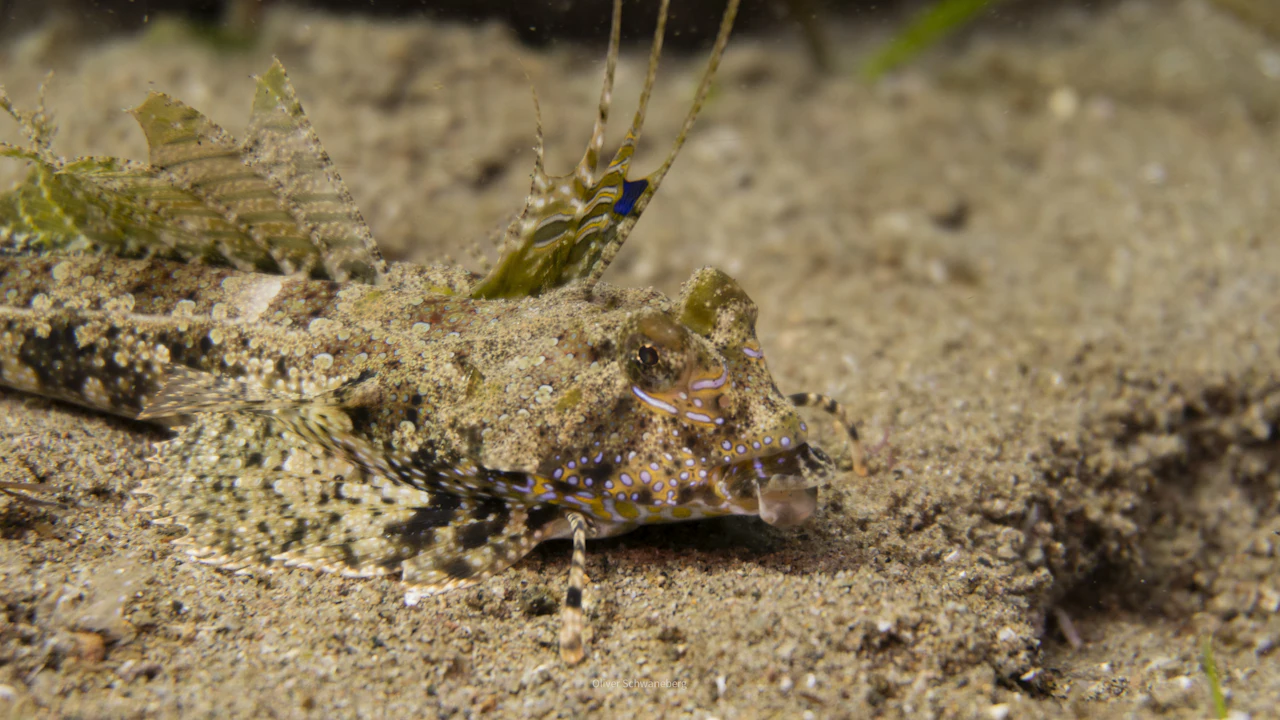
For silty spots the PADI blog advises that frog kicks or gentle flutters are best, with slow, calm movements. Fast kicking near the bottom stirs up sand and spoils visibility for everyone behind you.
Keeping fins off coral
Fins add length to your body, and new divers often forget that. The PADI blog on responsible marine life interactions asks divers to mind their fin kicks so they do not stir up silt or kick coral, and warns that one accidental kick can destroy 50 to 100 years of growth.
Good buoyancy is what keeps your fins clear. When you are properly weighted and trimmed flat, your fins stay level with your body instead of hanging down toward the reef. Our buoyancy control tips for divers explain how to get there, and the same control lets you hover still during a safety stop in scuba diving at the end of each dive.
Learn to kick well with Elbert
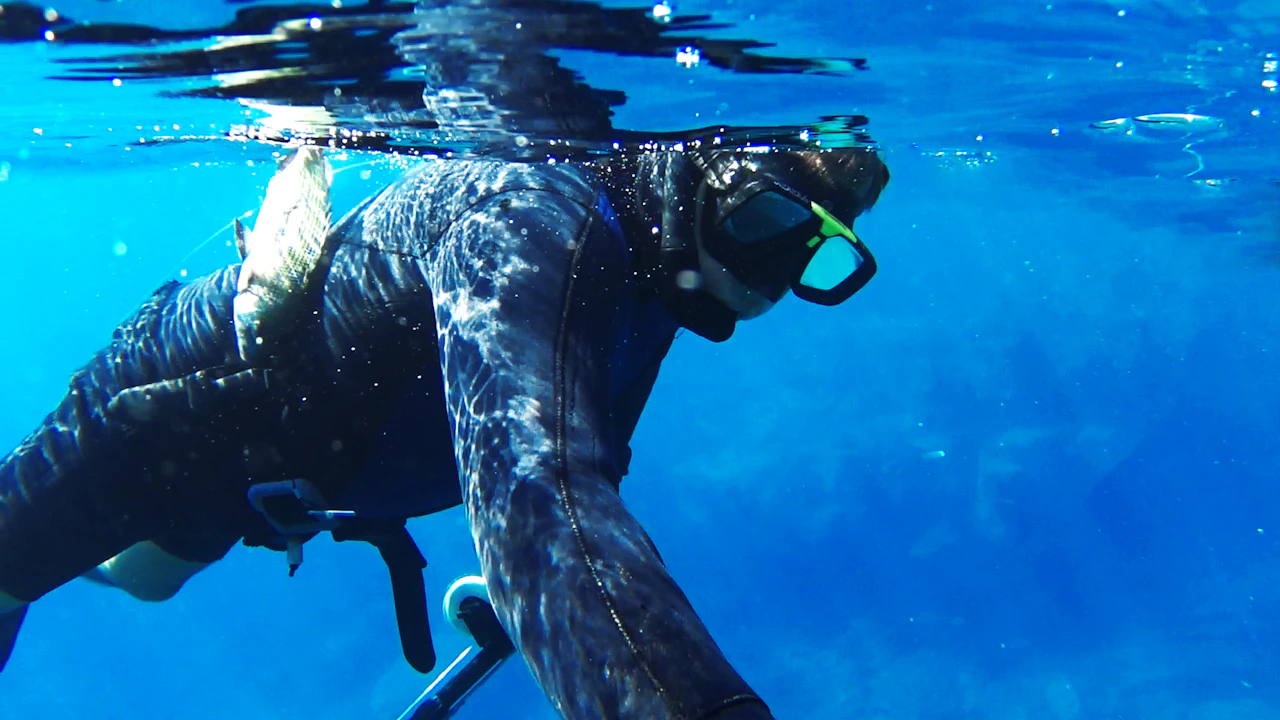
White Sands Dive Shop is a 5 Star PADI Dive Facility on the beach in San Pedro, owned and operated by Elbert Greer, PADI IDC Staff Instructor. If you are starting out, our guide to learning to dive on Ambergris Caye walks through the PADI courses, from a first try to full certification.
Students write that Elbert makes new skills feel manageable. Susan wrote: “You truly put me at ease and made the whole experience fun.” You can read more in our letters from students Elbert has taught, and find course details and current prices on our Water Sports page of dives and PADI courses.
How to choose scuba fins: your questions answered
Should I get open heel or full foot fins?
Full-foot fins suit warm water, boat diving and travel because they are light and need no boots. Open-heel fins with boots give more power and foot protection, and suit colder water and shore entries.
Are split fins good for beginners?
The PADI blog describes split fins as kinder on weaker legs, but less precise for turning, reversing and frog kicks. Many beginners start with a simple paddle or channel blade instead.
How tight should scuba fins be?
Snug, with no slipping, pinching or rubbing when you shake your foot in every direction. For open-heel fins, try them on with your boots.
Do I need to buy fins before a dive trip?
No. Fins are on our rental list, so you can rent a pair and decide later whether to buy your own.
Which fin kick is best near the reef?
The PADI blog recommends frog kicks or gentle flutters with slow, calm movements where silt is a concern, so you do not stir up the bottom.
Ask us about fins and gear
Not sure whether to pack your own fins or rent? Email Elbert at elbertgreer@fastmail.fm or phone 011 (501) 226 2405. Tell us your dates and experience, and we will help you plan your diving.