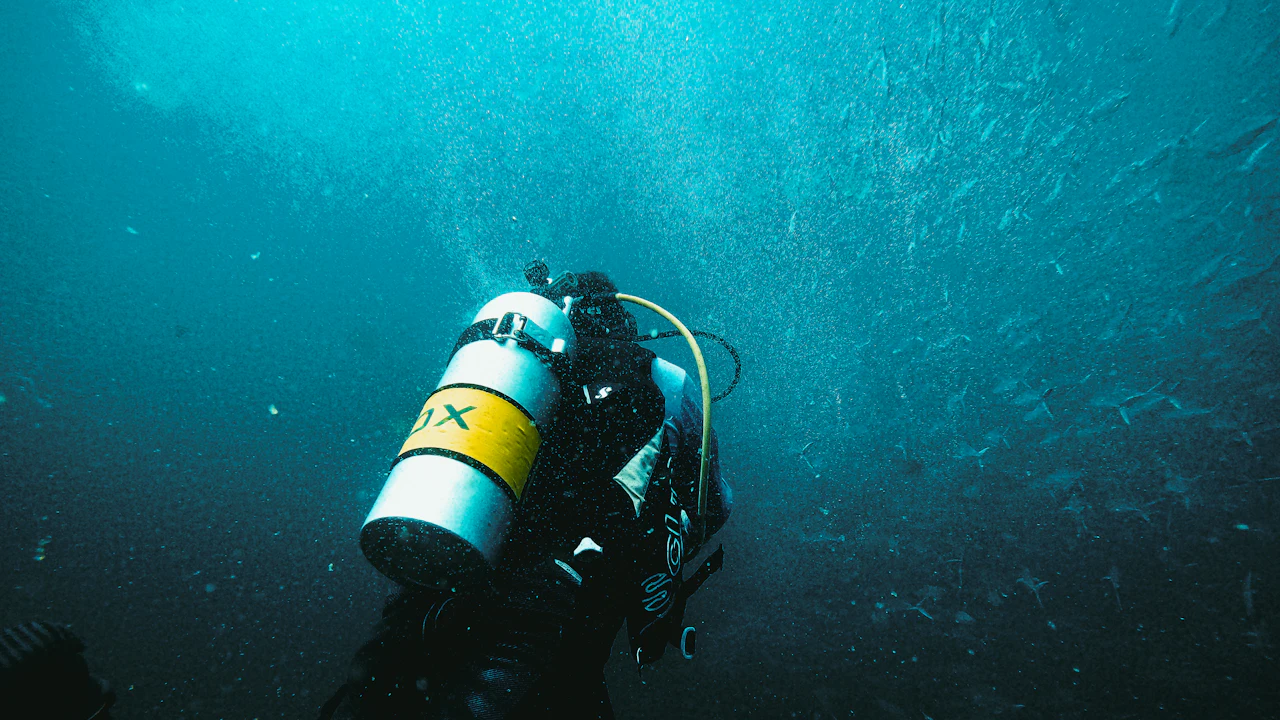
Knowing the nitrogen narcosis symptoms before you go deep is one of the simplest safety habits a diver can build. Narcosis is the dulled, slightly tipsy feeling some divers get when breathing compressed air at depth, and old dive books called it the rapture of the deep. It is common, it is predictable, and it is easy to manage once you know what to watch for.
This guide is for certified divers planning deeper dives, especially anyone with a wall or Blue Hole day on the list. We stick to what Divers Alert Network (DAN) says about narcosis. It is general safety information, not medical advice, so talk to a doctor about anything specific to your own health.
What are the nitrogen narcosis symptoms divers should watch for?
Quick answer: Divers Alert Network lists an intoxicated feeling, impaired judgment, difficulty concentrating and drowsiness, with moods ranging from overconfidence and euphoria to fear. DAN says divers breathing air or nitrox generally feel narcosis around 80 to 100 feet. It typically clears on its own when you ascend above the depth where the symptoms began.
What nitrogen narcosis is
Air is mostly nitrogen. At the surface it does nothing noticeable, but the deeper you go, the higher the pressure of the gas you breathe. DAN’s travel medicine guide explains that narcosis can result from breathing nitrogen at the higher partial pressure of compressed air, which increases with depth.
The same guide describes it as an altered mental state likened to mild intoxication, sometimes called the martini effect. You did not drink anything, yet your brain behaves a little as if you had. That is why the nickname rapture of the deep stuck: it can feel pleasant, which is exactly what makes it risky.
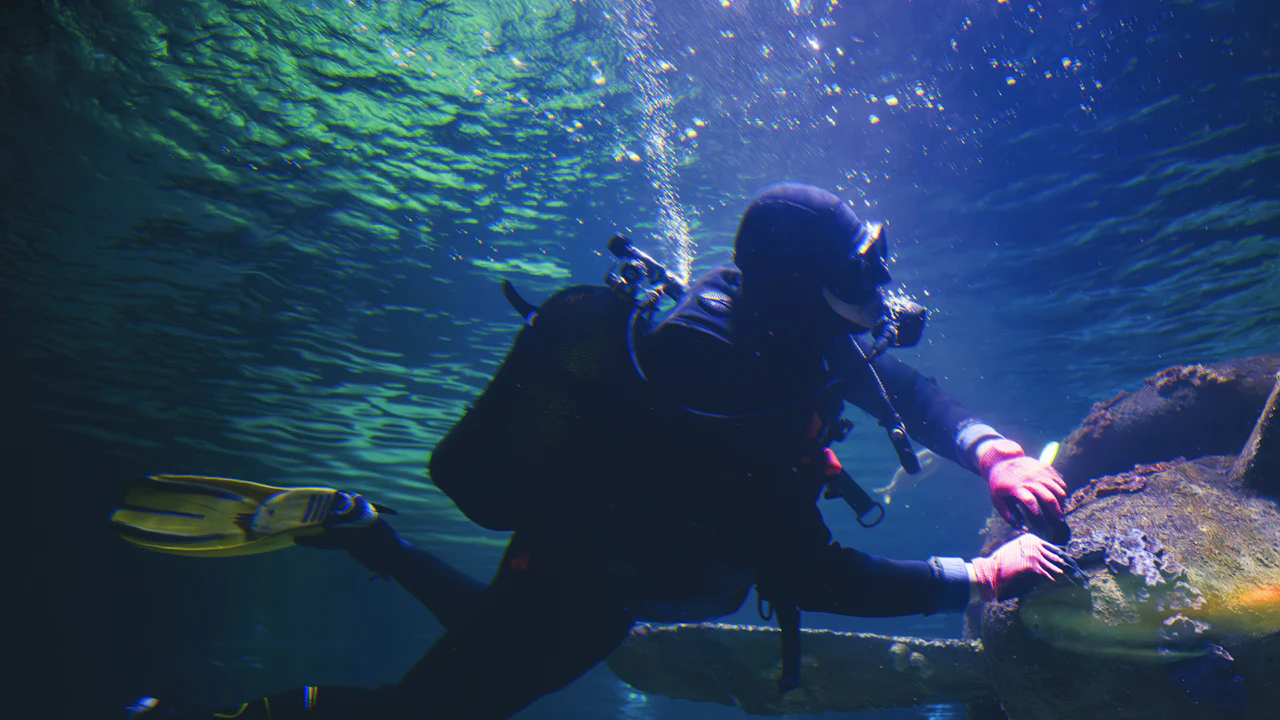
Nitrogen narcosis symptoms, and how they show up
In its article Know the Risks from Divers Alert Network, DAN lists the core symptoms. They affect the mind first, which means the person with narcosis is often the last to notice it.
- An intoxicated feeling: a light, slightly drunk or dreamy sense.
- Impaired judgment: decisions that would look odd on the surface seem reasonable at depth.
- Difficulty concentrating: gauges, computers and simple tasks take more effort.
- Drowsiness: a sluggish, slowed-down feeling.
- Mood swings: anything from overconfidence and euphoria to fear and insecurity.
DAN warns that these symptoms can make diving dangerous because divers may make poor decisions. Not everyone feels happy, either. Some divers feel a sudden anxiety instead, which is just as much a sign of narcosis as giggling at a fish.
What raises the odds
DAN names fatigue, depth, a personal history of susceptibility, alcohol intoxication before a dive and cold water as factors that may increase the likelihood of narcosis. A late night, a tiring travel day or a big dinner with drinks before an early deep dive all stack the deck against you. Our guide to dehydration and scuba diving on a dive vacation covers the alcohol and fluid side of that picture.
At what depth does narcosis start?
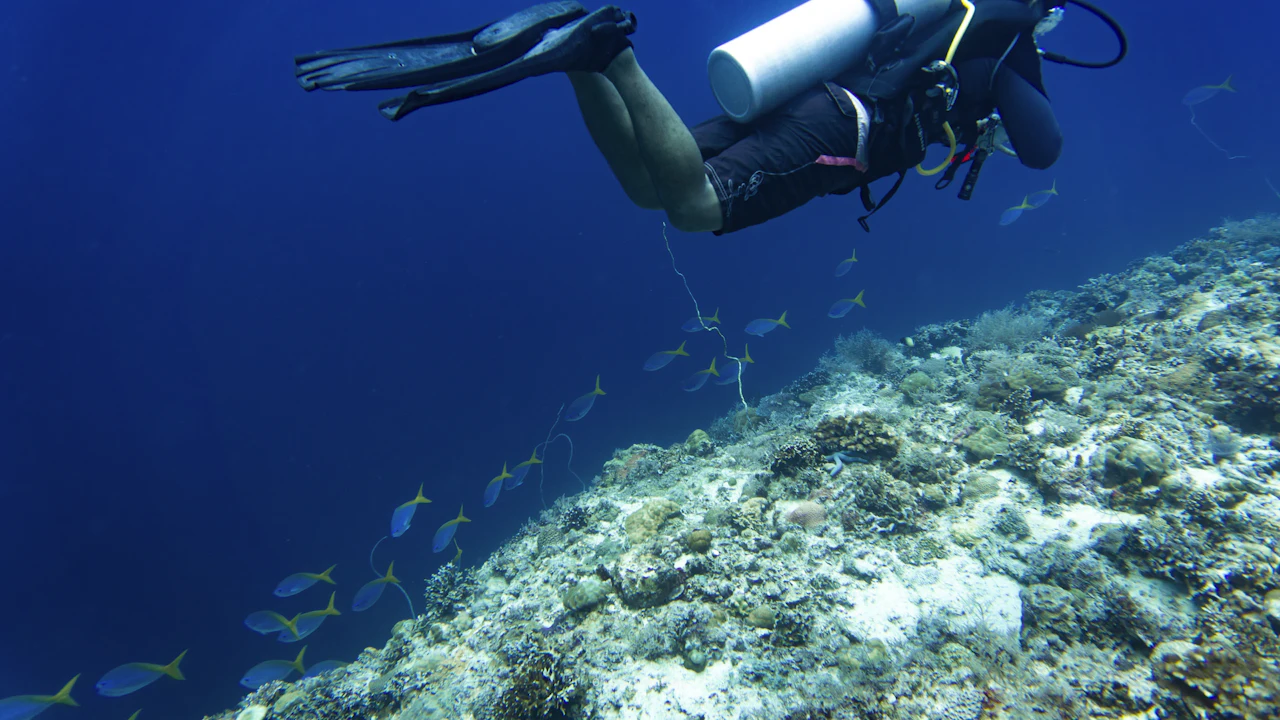
In its article on breathing gases and narcosis depth from DAN, Divers Alert Network says the onset of narcosis when diving with air or nitrox is generally felt at around 80 to 100 feet. DAN adds that every individual is affected differently, and the effects can vary from dive to dive.
So there is no magic line. You may feel nothing at 90 feet one day and feel foggy at the same depth the next. At far greater depths than recreational diving allows, DAN notes divers can lose consciousness, which is one reason recreational limits exist. Our guide to how deep recreational divers can go explains those limits.
Why narcosis clears on ascent
Because narcosis follows the pressure of the nitrogen you breathe, less depth means less effect. DAN describes narcosis as something that typically resolves spontaneously when the diver ascends above the depth where the symptoms first appeared. In one DAN case report, a diver’s symptoms cleared after ascending to 80 feet.
That makes narcosis different from many dive problems. It does not build up and linger after the dive the way some conditions can. If you have symptoms after surfacing, such as unusual tiredness, pain or numbness, read our guide to decompression sickness symptoms divers should know and seek medical help.
How to manage narcosis underwater
DAN’s guidance is direct: a diver who develops symptoms should end the dive. Combined with the fact that narcosis eases on ascent, that gives you a clear plan.
- Notice the change: a slow read of your gauge, a strange mood, or trouble focusing.
- Signal your buddy or guide that something is not right.
- Ascend slowly and under control above the depth where it started.
- End the dive with your buddy, keeping a normal ascent rate and safety stop.
| Symptom (DAN) | Why it matters at depth | What to do |
|---|---|---|
| Intoxicated feeling | Relaxed confidence can hide a real problem | Treat it as a warning, not a reward |
| Impaired judgment | You may go deeper or stay longer than planned | Stick to the dive plan your guide briefed |
| Difficulty concentrating | Gauge and computer readings take longer | Signal your buddy and start ascending |
| Drowsiness | Slower reactions to changes around you | Rise above the depth where it began |
| Overconfidence or fear | Either mood can lead to poor decisions | End the dive with your buddy, slowly |
Prepare before the deep dive
Since DAN lists fatigue and alcohol among the factors that can raise the odds, the night before matters. Sleep well, skip the drinks, and agree on a signal with your buddy for “I feel off.” Training helps too: our Advanced Open Water course on Ambergris Caye includes a Deep core dive, so you meet depth with an instructor beside you.

Why narcosis matters on deep dives
Most reef dives stay well above the depths DAN mentions. Deep walls and the Blue Hole are where narcosis becomes part of the plan, which is why operators screen divers for those trips. Our guide to Blue Hole dive requirements for certified divers explains the checks divers commonly meet.
Our Great Blue Hole and Lighthouse Reef day trip is a full day with three dives. For everyday reef trips, see our guide to scuba diving on Ambergris Caye, and find current prices on our Water Sports page of dives and PADI courses.
Dive deeper with Elbert
White Sands Dive Shop is a 5 Star PADI Dive Facility on the beach in San Pedro, owned and operated by Elbert Greer, PADI IDC Staff Instructor. Questions about depth, training and readiness are exactly what he likes to talk through before a trip.
Vivake K. Bhalla wrote of Elbert: “He was very friendly and fun, but equally very strict about safety”. You can read more in our letters from students Elbert has taught.
Nitrogen narcosis symptoms: your questions answered
What does nitrogen narcosis feel like?
Divers Alert Network describes an intoxicated feeling, impaired judgment, difficulty concentrating and drowsiness. Moods can range from overconfidence and euphoria to fear and insecurity.
At what depth does nitrogen narcosis start?
DAN says narcosis on air or nitrox is generally felt at around 80 to 100 feet. Every individual is affected differently, and the effects can vary from dive to dive.
How do you get rid of nitrogen narcosis?
DAN says narcosis typically resolves on its own when the diver ascends above the depth where the symptoms first appeared. A diver with symptoms should end the dive with their buddy.
Is rapture of the deep dangerous?
It can be, because DAN notes that divers with narcosis may make poor decisions. Ending the dive at the first sign keeps it manageable.
What makes narcosis more likely?
DAN lists fatigue, depth, a personal history of susceptibility, alcohol before a dive and cold water as factors that may increase the likelihood of narcosis.
Ask us before your deep dive
Planning a wall dive or a Blue Hole day and wondering if you are ready? Email Elbert at elbertgreer@fastmail.fm or phone 011 (501) 226 2405. Tell us your certification, your logged dives and your deepest dive so far, and we will help you plan.