You come out of the sea after a great swim, and a few hours later the skin under your swimsuit starts to itch. Many travelers then search for seabathers eruption Belize, or for “sea lice”, to work out what happened. This guide explains what the condition is, what it looks like, what you can do to lower the odds and when to see a doctor.
It is written for snorkelers, swimmers and divers planning a beach trip. We are a dive shop, not a clinic, so we stick to what the US Centers for Disease Control and Prevention (CDC) says. For anything about your own skin or health, please ask a doctor.
What is seabathers eruption in Belize and the Caribbean, and is it serious?
Quick answer: The CDC describes seabather’s eruption as a rash caused by the larvae of cnidarians, the animal group that includes jellyfish and sea anemones, when they get trapped under a bathing suit. It mostly affects skin under clothing. The CDC says most cnidaria stings cause painful, itchy rashes but are not typically linked to severe illness.
What seabathers eruption is, and why it’s called sea lice
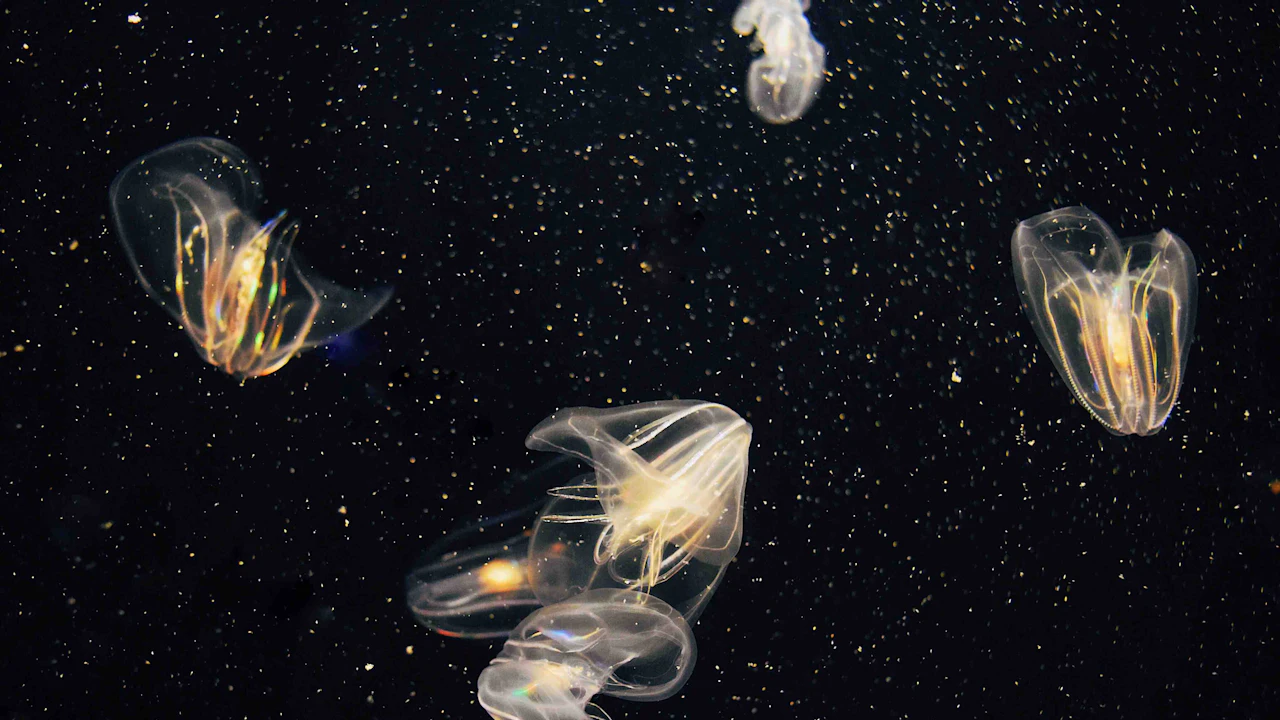
Cnidarians are a large group of sea animals that includes corals, hydroids, jellyfish and sea anemones. They all carry stinging cells called nematocysts. According to the CDC Yellow Book chapter on envenomations during travel, seabather’s eruption is a rash caused by cnidaria larvae that become trapped, for example under a bathing suit.
The larvae are tiny, so most people never see them. That is how the nickname “sea lice” took hold: swimmers felt something biting but could not spot it. The name is misleading, because the CDC links the rash to young cnidarians, not to lice or any insect.
Why the rash follows your swimsuit
The CDC parasite reference page on swimmer’s itch explains that the skin affected by seabather’s eruption is generally under the garments worn by bathers. That is where the organisms are trapped after the person leaves the water. Close-fitting fabric holds the larvae against your skin, which is why the rash often maps the shape of a swimsuit, a rash guard or a T-shirt.
Symptoms of an itchy rash after swimming in the ocean
The CDC groups seabather’s eruption with other cnidaria stings, which it says cause painful and itching rashes. People usually notice red, itchy patches or small bumps on skin that was covered while they swam. Because it is the covered skin that reacts, the pattern is a useful clue.
An itchy rash after a swim can have other causes too, and only a doctor can tell them apart for you. The table below shows how the CDC describes three common ones.
| Condition | What causes it | Where it shows up | Typical setting |
|---|---|---|---|
| Seabather’s eruption | Larvae of cnidarians, such as jellyfish, trapped against the skin | Under swimsuits and other garments | Sea water |
| Swimmer’s itch (cercarial dermatitis) | Larvae of bird parasites that enter the skin | Exposed skin outside close-fitting clothes | Water where infected snails live, often marshy areas |
| Jellyfish tentacle sting | Contact with tentacles of an adult jellyfish or Portuguese man o’ war | Long lines where the tentacle touched | Sea water |
The CDC states plainly that swimmer’s itch should not be confused with seabather’s eruption. Swimmer’s itch tends to appear on bare skin, while seabather’s eruption appears under clothing.
How to lower the odds on a beach or snorkel day
The CDC pages we rely on do not give a full prevention checklist for seabather’s eruption. What they do give are two useful facts. The larvae cause trouble when they stay trapped under clothing after you leave the water, and, for stings in general, rinsing with fresh water can make more stinging cells fire.
From those two facts, a few habits make sense. Please treat them as common sense, not medical advice:
- Change out of a wet swimsuit or rash guard soon after your swim, so nothing sits trapped against your skin.
- Take the swimsuit off before you rinse, rather than showering with it on.
- Wash swimwear before you wear it again, and do not put on a damp suit from the day before.

Sun protection still matters on a snorkel day. Our guide to reef-safe sunscreen for Belize snorkeling and diving covers what to pack, and our snorkeling tips for beginners help first-timers feel at ease in the water.

When to see a doctor
Most itchy rashes after a swim are a nuisance rather than an emergency, but we never guess about health. If a rash worries you, is spreading or keeps you awake, see a doctor or pharmacist. They can tell you what it is and what, if anything, to use for the itch.
The CDC Yellow Book’s guidance on skin problems after travel says some signs need prompt care. Get help quickly if a rash comes with:
- a fever or a general feeling of being unwell
- confusion or unusual drowsiness
- small purple or dark red spots that do not fade when pressed
Broken skin from scratching can also become infected, so keep your nails short and the area clean. A severe sting from a jellyfish tentacle is a different matter, and the CDC advises urgent medical care for the most dangerous species.
Does it happen around Ambergris Caye?
We cannot give you a calendar for it. The CDC sources we use do not say when or whether seabather’s eruption occurs around Ambergris Caye, and we will not guess. The CDC travel health page for Belize asks visitors to be extra careful around sea animals such as jellyfish and to swim only in designated areas.
If you are choosing travel dates, our guide to hurricane season in Belize and diving by month covers the weather side of planning.
Snorkeling and diving with White Sands Dive Shop
A rash scare should not keep you out of the water for good. White Sands Dive Shop runs daily diving, SCUBA instruction and snorkeling from the beach in San Pedro. Our snorkel trips include snorkeling Hol Chan and Shark Ray Alley, and our overview of scuba diving on Ambergris Caye explains the reef trips.
The shop is a 5 Star PADI Dive Facility owned and operated by Elbert Greer, PADI IDC Staff Instructor. Student Vivake K. Bhalla wrote that Elbert “was very friendly and fun, but equally very strict about safety”. Read more in our letters from students Elbert has taught, and find trips and current prices on our Water Sports page of dives and snorkel trips.
Seabathers eruption, Belize: your questions answered
Are sea lice real lice?
No. The CDC links seabather’s eruption, often called sea lice, to the larvae of cnidarians such as jellyfish and sea anemones that get trapped under clothing.
Is seabather’s eruption the same as swimmer’s itch?
No. The CDC says swimmer’s itch comes from bird parasite larvae and shows on exposed skin, while seabather’s eruption comes from cnidarian larvae and shows under garments.
Should I rinse off with fresh water after a swim?
The CDC notes that fresh water can make more stinging cells fire on stung skin. Taking your swimsuit off before you rinse avoids holding anything against your skin.
When should I see a doctor about a rash after swimming?
See a doctor or pharmacist if the rash worries you, spreads or will not settle. The CDC says a rash with fever, confusion or dark spots that do not fade needs prompt care.
Is there a season for sea lice on Ambergris Caye?
We do not know of an authority that publishes one for Ambergris Caye, so we will not guess. If a rash appears during your trip, see a doctor.
Questions before your snorkel trip?
Email Elbert at elbertgreer@fastmail.fm or phone 011 (501) 226 2405. Tell us your dates and who is coming, and we will help you plan your time on the reef.