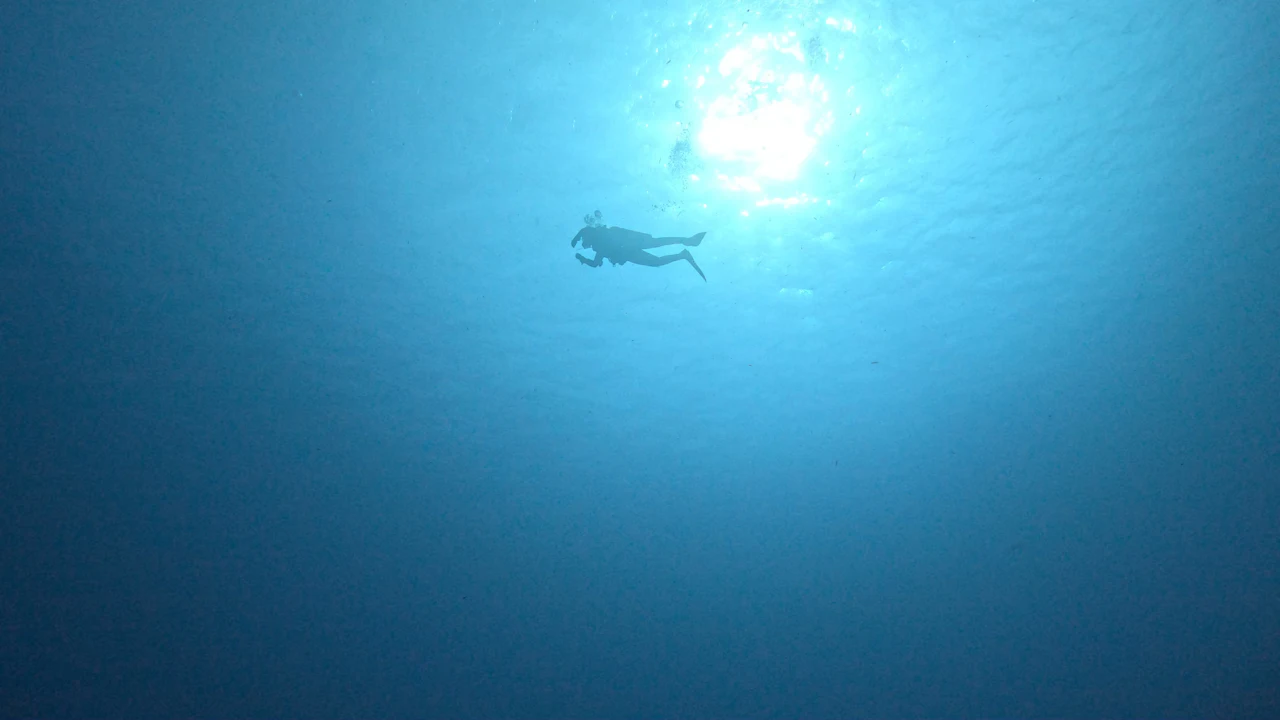
Most dive days end with nothing more than a sunburn and a big appetite. Now and then, though, a diver feels something odd afterward: an itch, a sore shoulder, a tired heaviness that does not match the day. Knowing the decompression sickness symptoms, and what to do about them, is part of being a safe diver.
This guide is for divers of every level, and for the partners who often notice the signs first. It sets out what Divers Alert Network (DAN), the dive medicine organization, says about symptoms and first steps. It is not medical advice. If you think you or someone with you has the bends, call local emergency services and DAN now, then read on.
What are the decompression sickness symptoms after a dive?
Quick answer: DAN lists fatigue, itchy skin, joint or muscle pain, dizziness, vertigo, ringing in the ears, numbness, tingling, shortness of breath and, in severe cases, paralysis or collapse. Signs include a blotchy rash and muscle weakness. Symptoms can start right after surfacing or up to 24 hours later. Stop diving, give oxygen and call emergency services, then DAN.
What decompression sickness is, in plain words
While you dive, your body takes up extra nitrogen from the air you breathe. If you come up too fast, or stay too long or too deep, some of that gas can form bubbles in the body as the pressure drops. Those bubbles cause decompression sickness, often called DCS or “the bends”.
DAN notes that DCS can also be prompted by going up in an airplane too soon after diving. That is why our guide to flying after diving at the end of your trip matters as much as the dives themselves.

The bends symptoms to watch for
DAN’s guide to treating decompression sickness from Divers Alert Network separates what a diver feels from what others can see. Both matter, and a diver may notice only one or two.
Symptoms the diver feels
- Unusual fatigue
- Itchy skin
- Pain in the joints or muscles
- Dizziness or vertigo, and ringing in the ears
- Numbness or tingling
- Shortness of breath
- Paralysis, in serious cases
Signs other people can see
A buddy or partner may spot a blotchy skin rash, muscle weakness, or in the worst cases collapse or unconsciousness. Watch for someone who staggers or struggles to stand. Speak up even if the diver insists they are fine.
When symptoms start
According to DAN, symptoms can appear immediately after surfacing or up to 24 hours later. On average they show up between 15 minutes and 12 hours after a dive. So a sore elbow at dinner, after a morning of diving, still deserves a call.
What to do if you get the bends
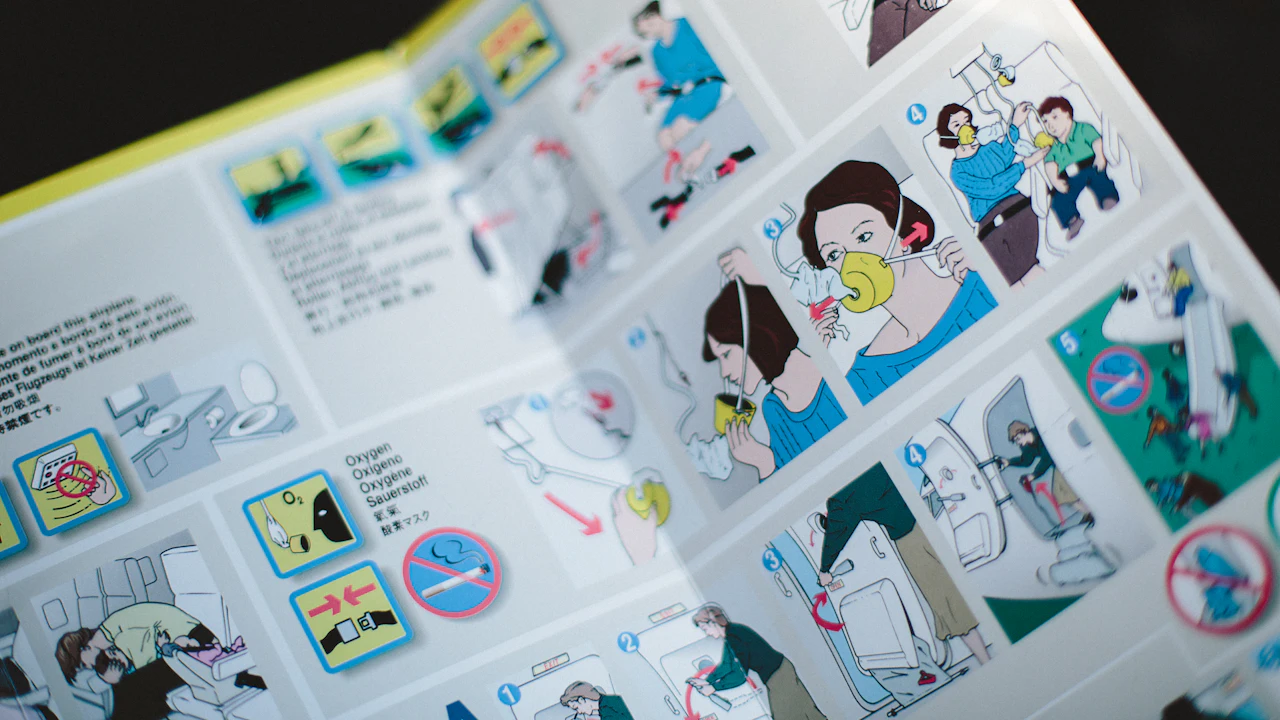
The first steps are simple, and they are the same whether the symptoms seem small or frightening. Follow them in order.
- Stop diving for the day, and do not get back in the water to see whether it passes.
- Give emergency oxygen right away if it is available. DAN advises 100 percent oxygen for serious cases.
- Call local emergency medical services first.
- Then call the DAN 24/7 Emergency Hotline on +1 (919) 684-9111. DAN accepts collect calls.
- Do not give pain relievers unless medical staff tell you to.
DAN’s DAN emergency hotline page gives the same order: local emergency services first, then DAN. Save the number in your phone before your trip, next to your travel insurance details.
Why “it went away” is not the end
DAN warns that emergency oxygen can make symptoms improve for a while, only for them to come back later. It calls denial “arguably the worst symptom” of DCS. Even when symptoms seem to have cleared, DAN advises contacting DAN or a medical professional trained in dive medicine.
Do not let a dive computer that showed no warnings talk you out of that call. DAN’s advice covers any suspected DCS. Our guide to choosing a dive computer as a beginner explains what the numbers on your wrist really mean.

How serious is it? DAN’s guide at a glance
DAN sorts suspected DCS by how quickly help is needed. This table summarizes what its guide says. It is a reminder, not a way to diagnose yourself.
| Level | What you may see | What DAN advises |
|---|---|---|
| Emergency | Profound dizziness, drifting in and out of consciousness, weakness, an abnormal walk, trouble breathing | 100 percent oxygen, call emergency services, arrange evacuation to the nearest medical facility, then call DAN |
| Urgent | Severe pain that is constant or getting worse | 100 percent oxygen and fluids, then contact DAN or a medical facility for a neurological exam |
| Any other suspected DCS | Fatigue, itchy skin, mild tingling, symptoms that fade | Contact DAN or a dive medicine professional, even if symptoms seem to have gone |
DAN adds that a diver with severe DCS needs recompression in a chamber, but must first be stabilized at the nearest medical facility. That is one more reason to call emergency services and DAN rather than heading anywhere on your own.

Lowering your risk before the next dive
Good habits do most of the work. Ascend slowly, make your safety stops, stay within your dive computer’s limits and leave enough time before your flight home. A diver who has been out of the water for a while can rebuild those habits on a scuba refresher course on Ambergris Caye.
Plan for the unlikely too. Our guide to dive insurance for a Belize trip explains why cover for evacuation and treatment is worth having. If you want to know what to do when a buddy needs help, the PADI Rescue Diver course in Belize teaches you to manage diving accident situations and give proper first aid.
Diving with an instructor who puts safety first
White Sands Dive Shop is a 5 Star PADI Dive Facility on the beach in San Pedro, owned and operated by PADI IDC Staff Instructor Elbert Greer. Our guide to diving on Ambergris Caye covers the reef trips we run, and our Water Sports page of PADI courses lists the Rescue Diver and First Responder courses.
Vivake K. Bhalla wrote: “Elbert Greer was an outstanding instructor with a lot of experience and useful tips. He was very friendly and fun, but equally very strict about safety– perfect balance for and instructor.” More notes like his are in our letters from students Elbert has taught.
Decompression sickness symptoms: your questions answered
How long after a dive can decompression sickness start?
DAN says symptoms can appear immediately after surfacing or up to 24 hours later, and on average between 15 minutes and 12 hours after a dive.
Who do I call if I think I have the bends?
Call local emergency medical services first, then the DAN 24/7 Emergency Hotline on +1 (919) 684-9111. DAN accepts collect calls.
If my symptoms go away on oxygen, am I fine?
Not necessarily. DAN warns that oxygen can make symptoms improve for a while before they return, so contact DAN or a dive medicine professional even if you feel better.
Can flying cause decompression sickness?
Yes. DAN notes that DCS can be prompted by going up in an airplane too soon after diving, so plan enough time between your last dive and your flight.
Is this page medical advice?
No. It summarizes what Divers Alert Network publishes. Only a doctor, ideally one trained in dive medicine, can assess and treat a diver.
Questions about diving safely with us
If you have a safety question about an upcoming dive trip, email Elbert at elbertgreer@fastmail.fm or phone 011 (501) 226 2405. In an emergency, always call local emergency services and DAN first.