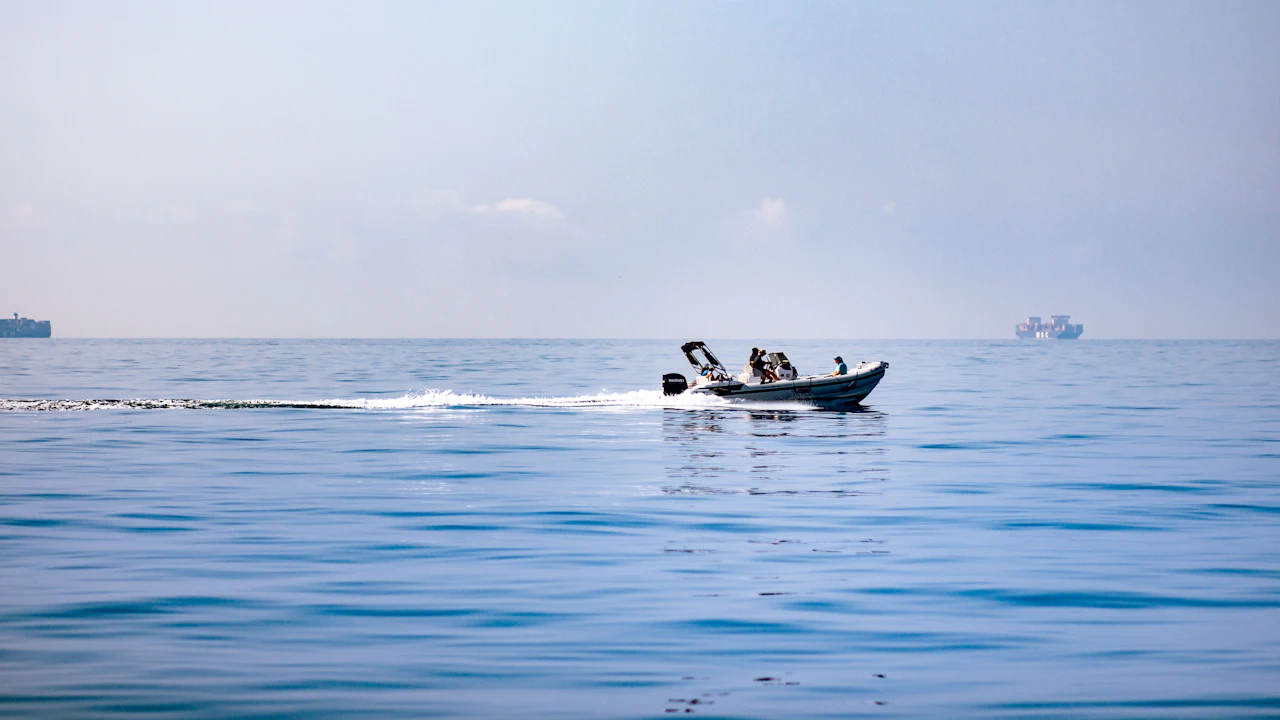
A queasy stomach can spoil a dive day long before you reach the reef. The good news is that most of it can be prevented, and these seasickness tips for divers are the ones we share with guests before a long boat day to the atolls or a morning on the local reef.
This guide is for anyone who has felt green on a boat before, or who simply worries they might. It covers what to do the night before, on board and in the water, and when to sit a dive out. It is general information drawn from the CDC and Divers Alert Network (DAN), not medical advice.
What are the best seasickness tips for divers on a boat?
Quick answer: Sleep well, skip alcohol and heavy food the night before, and eat a light breakfast. On board, sit where motion feels least, watch the horizon, sip water and stay away from engine fumes. Some motion sickness medicines cause drowsiness, so ask your doctor before using one, and never start a dive while you feel seriously sick.
Why seasickness happens, and why it matters for divers
The CDC explains motion sickness simply: it happens when the movement you see is different from what your inner ear senses. On a rocking boat your eyes see a steady deck while your balance organs feel every swell. The result can be dizziness, nausea and vomiting.
For divers it is more than discomfort. DAN warns that seasick divers may rush into the water to escape the boat and skip their gear or buddy checks. Some motion sickness medicines also cause drowsiness, which is the last thing you want underwater.
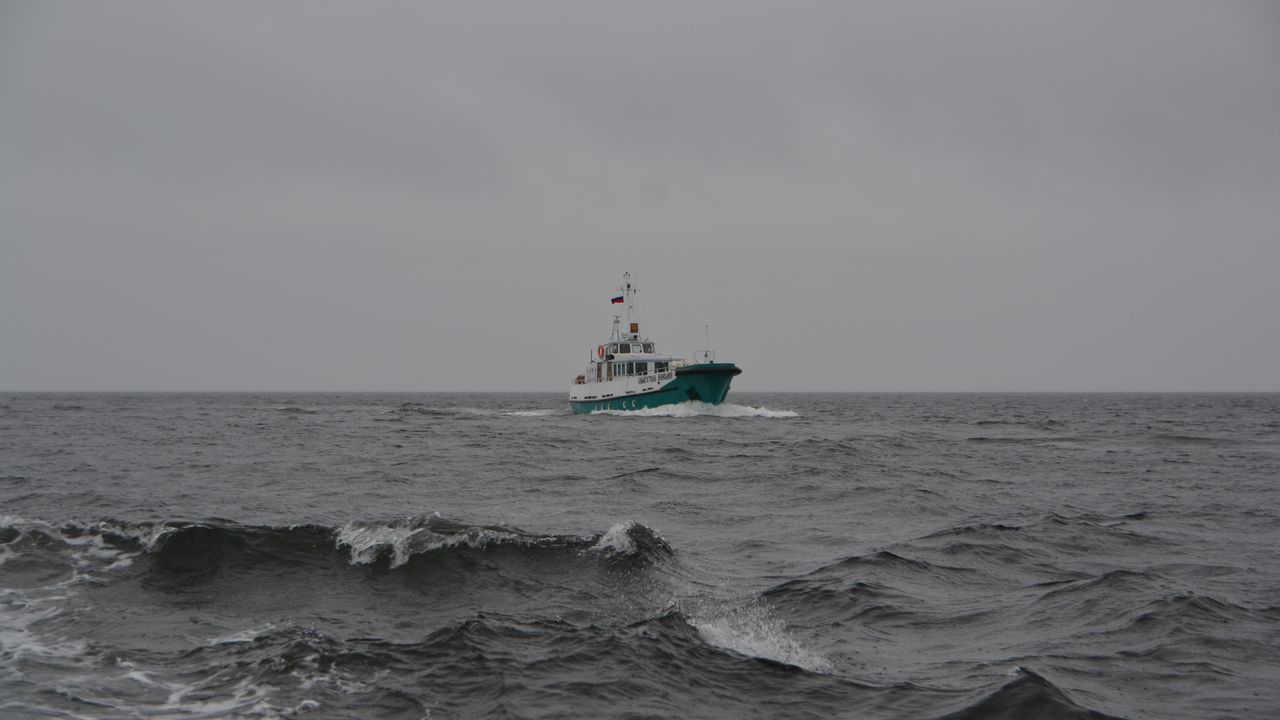
How to avoid seasickness on a dive boat: the day before
Prevention starts the evening before your trip. A tired, dehydrated or hungover body copes with motion far worse than a rested one.
- Get a full night of sleep, especially before an early start.
- Drink plenty of water and go easy on alcohol and caffeine, as the CDC suggests.
- Choose a light, plain breakfast rather than a big greasy one; the CDC recommends small meals eaten often.
- Pack a water bottle, a hat and ginger candy or lozenges, which the CDC lists as something to try.
- If you are thinking about medicine, talk to your doctor well before the trip, not on the dock.
Our packing list for a Belize dive trip covers the rest of your dive bag. Setting up as much as you can before the boat moves also helps, because bending over gear on a rolling deck is a quick route to nausea.

Seasickness remedies compared
No single remedy works for everyone, and DAN says as much. The table sums up the common options in our own words, from the CDC traveler guide to motion sickness and DAN’s travel medicine advice.
| Option | How it helps | What divers should know |
|---|---|---|
| Watching the horizon | Gives your eyes a steady reference that matches what your ears feel | Free, no side effects; works best out on deck |
| Choosing your seat | Puts you where the rocking is least noticeable | Ask the crew where the boat moves least |
| Water, light food, no alcohol | Keeps your body steady and hydrated | The CDC lists drinking water among its first tips |
| Ginger candy or lozenges | A gentle option the CDC lists to try | Easy to carry in a dry bag |
| Acupressure wristbands | Press on a point on the inner wrist | DAN lists them among remedies that are not proven |
| Motion sickness medicines | Can prevent or ease symptoms | Many cause drowsiness; ask your doctor first and test any new one on a non-dive day |
A word on medicine and diving
The CDC says many motion sickness medicines cause drowsiness and advises talking to a healthcare professional to decide whether you should take them. DAN adds that drowsiness and reduced mucus can be a problem underwater, and suggests trying a medicine well before you dive so you know how it affects you. We never recommend a product or a dose; that conversation belongs with your own doctor.
On board: simple habits that help
Once the boat leaves the dock, small choices make a big difference. Most of them cost nothing and work for divers and snorkelers alike.
- Stay outside in fresh air and keep your eyes on the horizon, not on a phone or a book.
- Sit away from engine exhaust; DAN advises avoiding strong fumes, especially fuel.
- Sip water and nibble something plain on the ride rather than nothing at all.
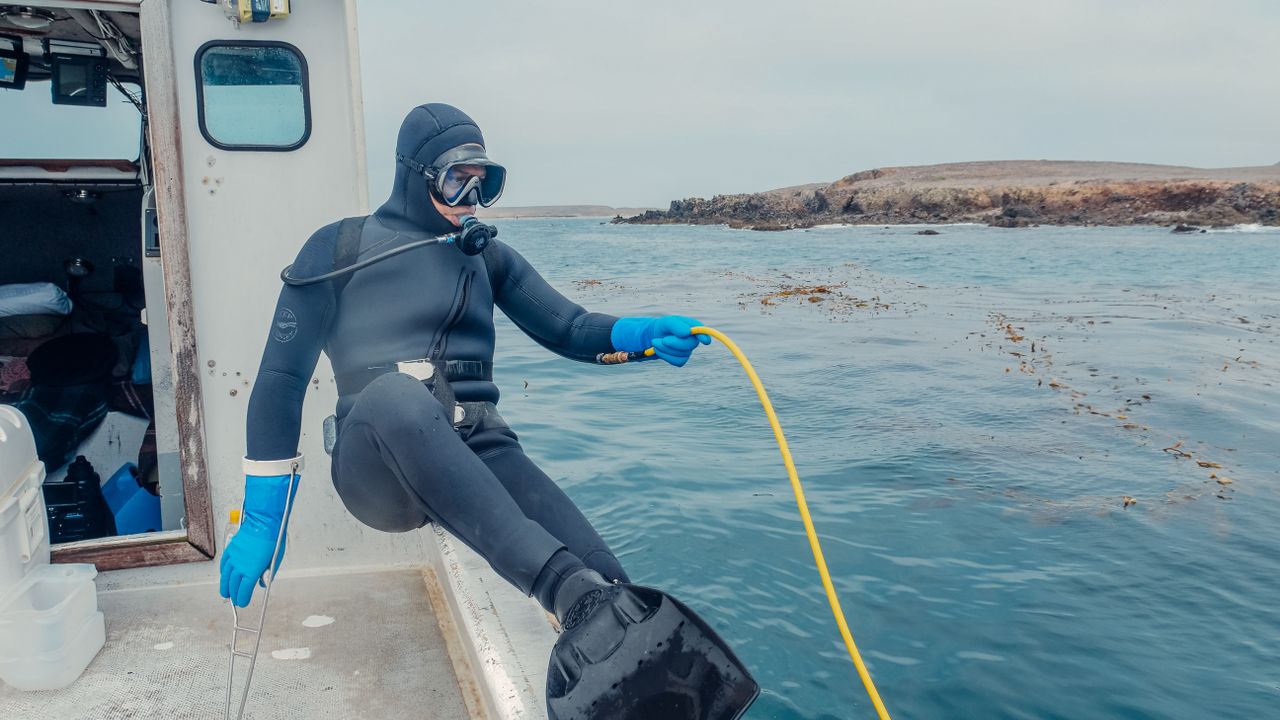
- Wait to pull on a wetsuit until you are nearly at the site, so you are not bent over for long.
- If you feel it coming on, tell the crew early and move to the side of the boat they suggest.
These habits matter most on full-day trips. Our Great Blue Hole and atoll day trips and the Turneffe Atoll dive trip from San Pedro are full days with three dives, and they include continental breakfast, lunch, snacks and drinks, so you can eat little and often through the day.

Motion sickness and scuba diving: when to skip a dive
Many divers say they feel better as soon as they are underwater, and DAN notes that mild motion sickness often eases once you descend. But DAN is also clear that divers who are seriously affected should not start a dive until their symptoms improve, and that with severe nausea it may be best to cancel the dive.
Vomiting underwater can foul your regulator or lead you to breathe in water, which is why a calm, unhurried decision on the boat beats a rushed one. Dizziness can also be a sign of other diving problems, so tell the crew how you feel before and after every dive. Sitting one dive out is always the right call when you are unsure.
Planning a deeper offshore day? Read the Blue Hole dive requirements first, and look at our guide to diving on Ambergris Caye for closer reef dives if long rides are hard for you. A dive insurance plan for your Belize trip is worth sorting before you travel, too.
Who looks after you at White Sands Dive Shop
White Sands Dive Shop is a 5 Star PADI Dive Facility on the beach in San Pedro, owned and operated by PADI IDC Staff Instructor Elbert Greer. Our local dive and snorkel trips leave at 9:00, with pickup at the dock of your hotel.
Vivake K. Bhalla described Elbert as “very friendly and fun, but equally very strict about safety.” That is exactly how we treat a guest who feels unwell on the boat. More notes from past students are in our letters from Elbert’s dive students.
Seasickness tips for divers: your questions answered
Can you scuba dive if you are seasick?
Mild queasiness often fades once you are underwater, but DAN advises divers who are seriously affected not to start a dive until their symptoms improve. With severe nausea, it is best to skip that dive.
Is it safe to take motion sickness medicine before diving?
Many of these medicines cause drowsiness, which can be a problem underwater. Ask your doctor before using one, and try any new medicine on a day you are not diving so you know how it affects you.
What should I eat before a dive boat trip?
A light, plain breakfast is better than a heavy or greasy meal or an empty stomach. The CDC suggests small meals eaten often, plenty of water and limited alcohol and caffeine.
Where is the best place to sit on a boat to avoid seasickness?
Sit out in the fresh air where the rocking feels least, away from engine fumes, and keep your eyes on the horizon. Ask the crew which part of the boat moves least.
Does seasickness go away underwater?
For many divers it does, because the rocking motion stops below the surface. If you still feel sick or dizzy underwater, signal your buddy and end the dive calmly.
Tell us before your boat day
If you are prone to seasickness, let us know when you book so we can plan your day with you. Write to Elbert at elbertgreer@fastmail.fm or call 011 (501) 226 2405.