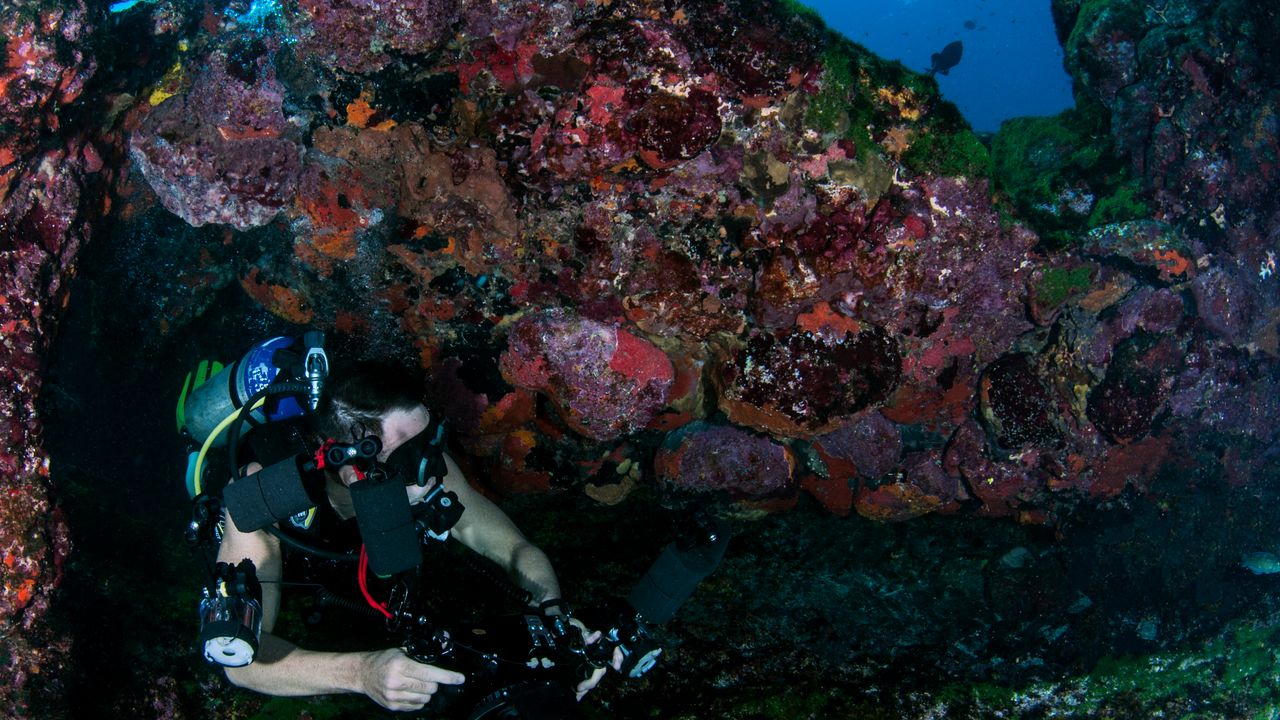
A regulator can come out of your mouth underwater, whether it is knocked loose or you take it out yourself. Regulator recovery in scuba diving is the skill of finding it again, putting it back and breathing normally, all without holding your breath. Done calmly, it takes only a few seconds.
This guide is for new divers, students about to start a course and certified divers who have not practiced the skill in a while. We walk through the arm sweep steps PADI teaches, explain why each detail matters, and show where you learn and practice it. It is a refresher, not a replacement for learning the skill in the water with an instructor.
How does regulator recovery in scuba diving work?
Quick answer: Keep blowing tiny bubbles so you never hold your breath. Lean to the right, lift your right arm, sweep it down past your thigh, then circle it out and forward so the regulator lands on your arm. Put it back in your mouth and purge it, as PADI teaches in the Open Water course.
What regulator recovery means and why it matters
Your regulator has two main parts. The first stage attaches to your tank valve, and the second stage is the mouthpiece that delivers air when you breathe in. If you want to know how they fit together, read our guide to how a scuba regulator works.
The second stage is joined to the first stage by a hose, so it stays attached to your gear when it leaves your mouth. Recovery is the practiced habit of bringing that mouthpiece back to you calmly, without needing to see it.
PADI teaches the skill as part of entry-level training. In its step-by-step guide on how to recover your regulator when diving, PADI says that during the Open Water course you will learn how to recover your regulator at depth.
First, keep blowing tiny bubbles
The moment the regulator leaves your mouth, the first rule of scuba still applies: never hold your breath. PADI’s recovery steps tell you to blow tiny bubbles while the regulator is out, which keeps you breathing out instead of holding air in your lungs.
PADI explains why the rule matters so much. Pressure changes as you change depth, and a held breath can cause your lungs to over-expand. Our guide on how to breathe while scuba diving covers this rule and the slow, steady rhythm that goes with it.
Tiny is the important word. You are not trying to empty your lungs in one go, just letting a thin stream of bubbles escape while you work through the next steps.
Regulator recovery scuba diving: the arm sweep step by step
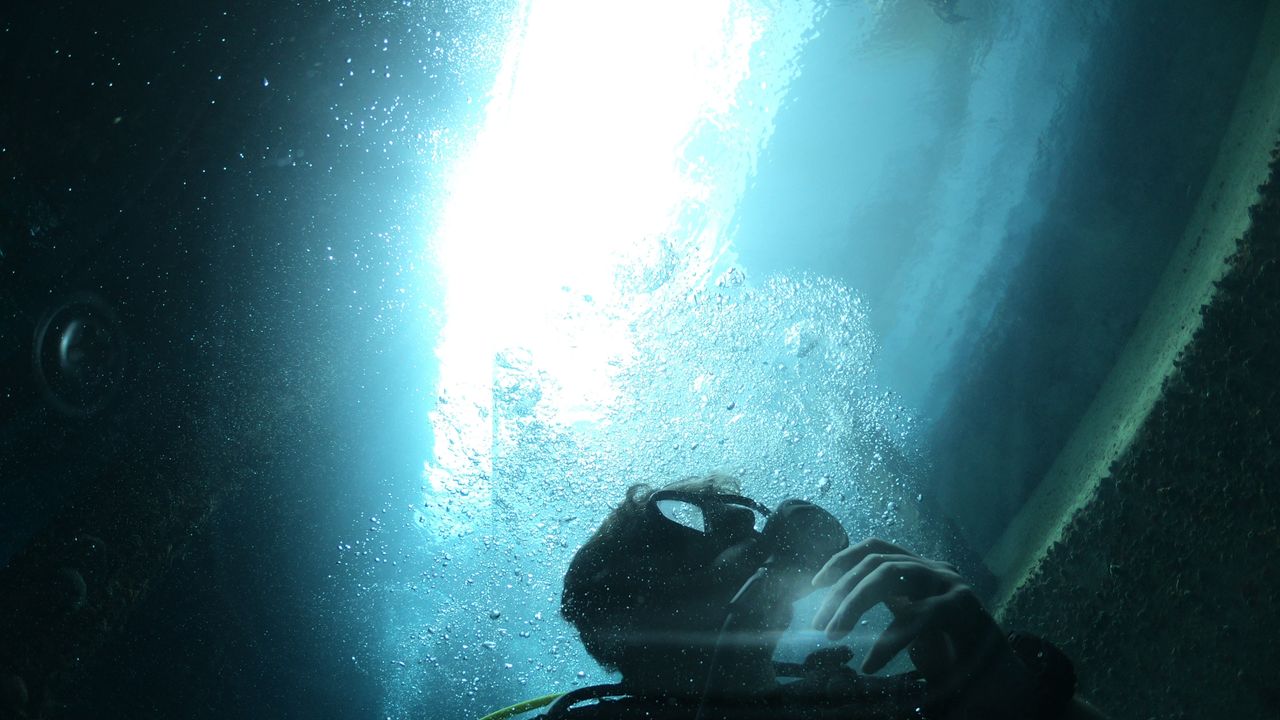
The arm sweep is the recovery method in PADI’s guide. These are its nine steps, written out in plain words:
- Inhale.
- Remove the regulator, pointing the mouthpiece down to avoid a free flow.
- Blow tiny bubbles, and never hold your breath.
- Toss the regulator behind your shoulder.
- Lift your right arm.
- Lean to the right and sweep your arm down past your thigh.
- Circle your arm out and forward.
- The regulator will now be on your arm.
- Replace the regulator in your mouth and purge it.
In training, the first steps let you practice the skill on purpose: you take a breath, remove the regulator yourself and let it go. If it is ever knocked out by accident, you start from the bubbles and the sweep.
| Step | What you do | Why it matters |
|---|---|---|
| Point it down | Hold the mouthpiece facing down as it comes out | PADI says this avoids a free flow |
| Tiny bubbles | Breathe out a thin, steady stream | You never hold your breath |
| Lean right | Tilt your body to the right side | Sets up the sweep with your right arm |
| Sweep and circle | Arm down past the thigh, then out and forward | Brings the regulator onto your arm |
| Replace and purge | Mouthpiece back in, then purge | The final step before you breathe normally |
Why the small details matter
A free flow is a regulator that keeps releasing air on its own. PADI’s tip to point the mouthpiece down when you remove it is there to avoid one, so it is worth building into your habit from the first try.
The order of the steps matters too. Bubbles come before anything else, because breathing out is what keeps you safe while your hands are busy. The sweep comes next, and only once the regulator is back in your mouth and purged do you return to normal breathing.
Calm makes every step easier. A slow, deliberate sweep is more useful than a fast, flailing one, and that calm comes from practice in training rather than from reading.
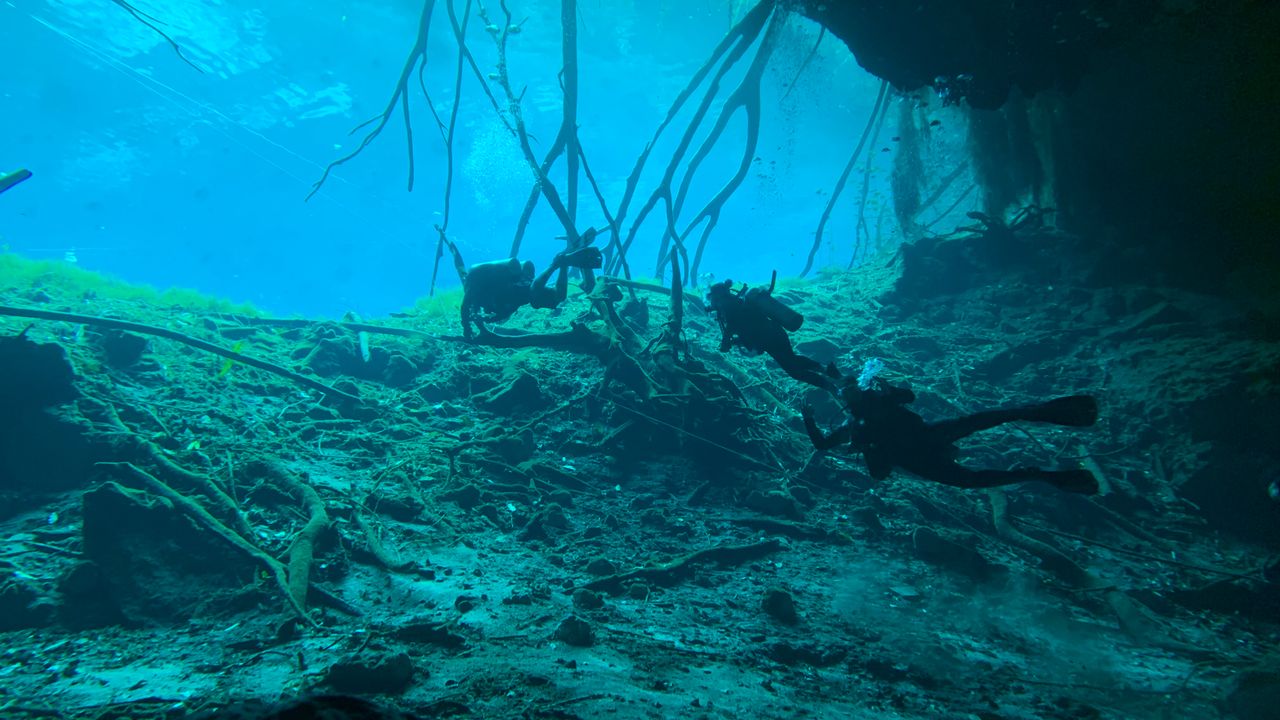
Practice it in training, not from an article
This page is a reminder, not a substitute for training. Regulator recovery is a hands-on skill, and you learn it with an instructor beside you before you rely on it in open water. PADI lists regulator clearing and regulator recovery among the skills new divers practice as they move from Discover Scuba Diving toward Open Water.
The PADI Open Water course on Ambergris Caye includes four open water dives; allow 3-4 days. It sits alongside other comfort skills, such as clearing water from your dive mask.
If it has been a while since your course, our Scuba Refresher starts with a pool session to review and refresh your skills. Our guide to learning to dive on Ambergris Caye compares every first step.
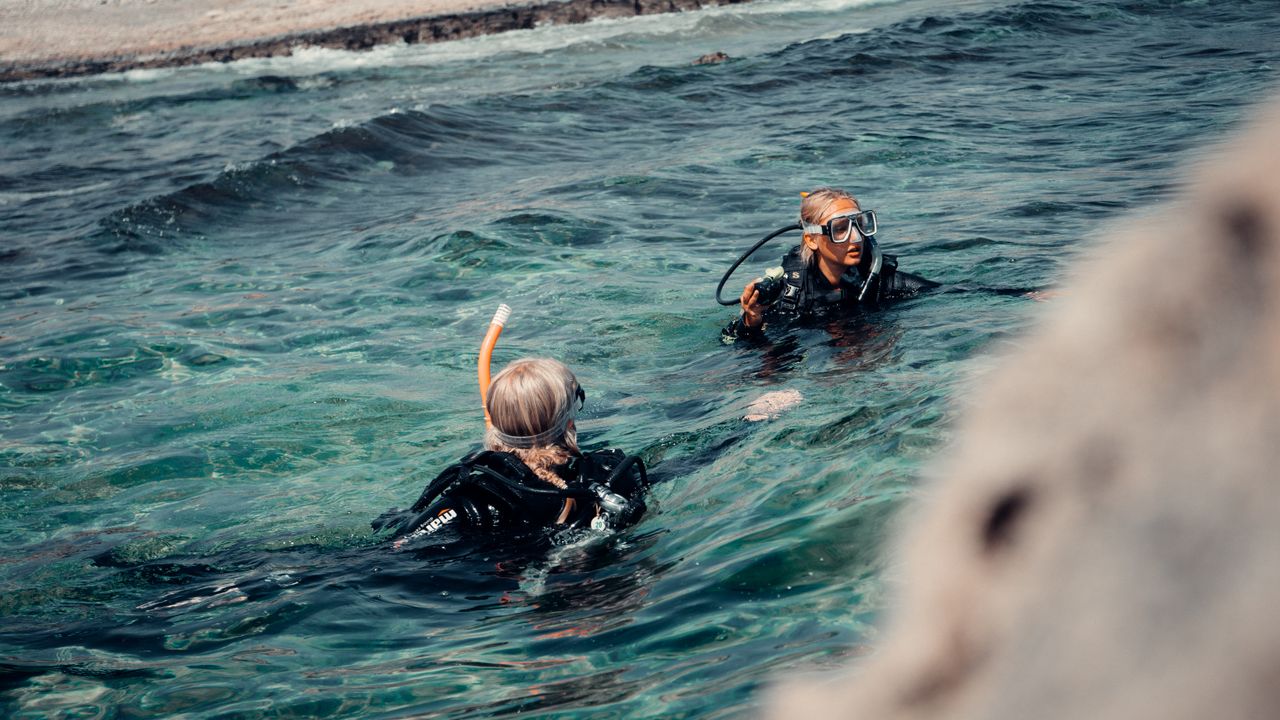
Learning with Elbert
White Sands Dive Shop is a 5 Star PADI Dive Facility on the beach in San Pedro, owned and operated by PADI IDC Staff Instructor Elbert Greer. Each course is listed with current course prices on our Water Sports page.
Vivake K. Bhalla wrote that Elbert “was very friendly and fun, but equally very strict about safety”. You can read that letter and more in the letters from Elbert’s dive students.
Regulator recovery scuba diving: your questions answered
What should I do if my regulator comes out underwater?
Keep blowing tiny bubbles so you never hold your breath. Then lean right and sweep your right arm down past your thigh and out and forward until the regulator is on your arm, put it back in your mouth and purge it.
Why do you blow bubbles when the regulator is out?
Blowing tiny bubbles means you are not holding your breath, which PADI calls the number one rule in scuba. A held breath can cause your lungs to over-expand as pressure changes.
Why point the regulator down when you remove it?
PADI says pointing the mouthpiece down when you remove it helps avoid a free flow, where the regulator keeps releasing air on its own.
Where do you learn regulator recovery?
PADI says you learn to recover your regulator at depth during the Open Water course. Practice it with an instructor before relying on it in open water.
Why lean to the right during the arm sweep?
PADI’s steps use the right arm, and leaning right as you sweep down past your thigh sets up the circle that brings the regulator onto your arm.
Ask Elbert about practicing your skills
If you would like to brush up on regulator recovery before your next dive trip, tell us when you get in touch. Email Elbert at elbertgreer@fastmail.fm or call 011 (501) 226 2405.