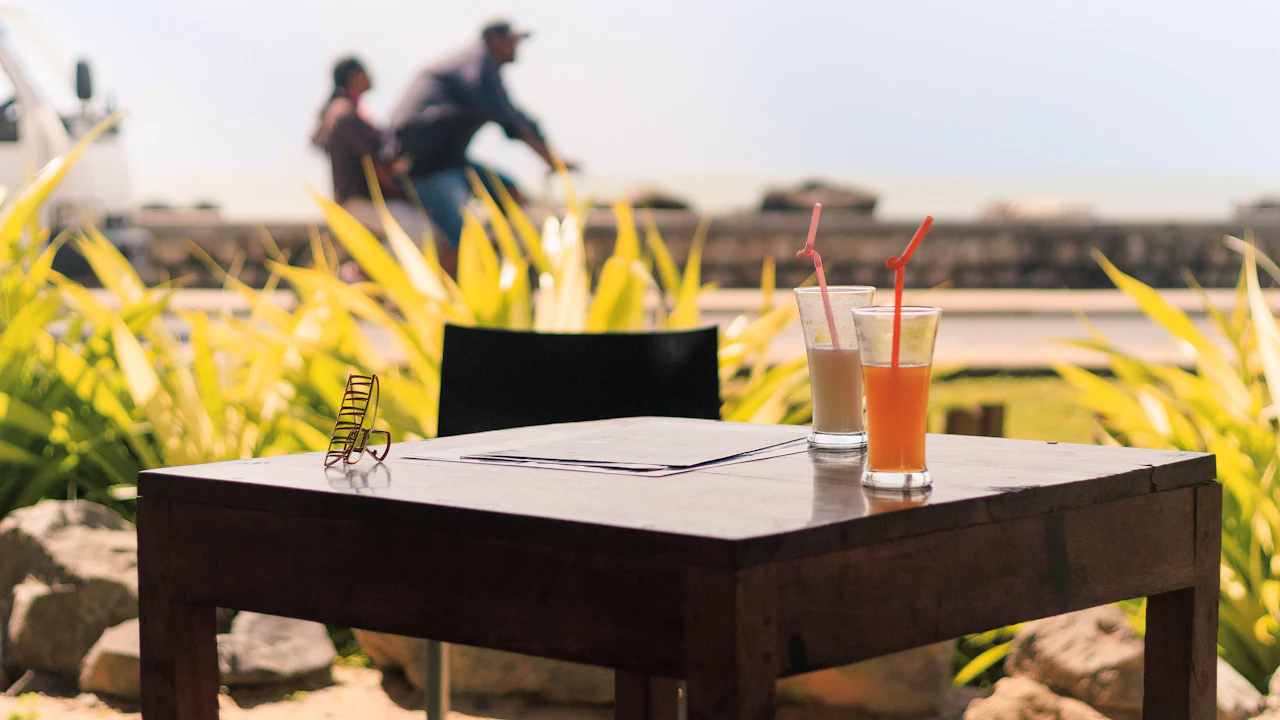
Alcohol and scuba diving come up on almost every dive holiday, because the beach bar and the dive boat are usually a short walk apart. Most divers are not asking whether to get drunk before a dive. They want to know whether last night’s drinks still count, whether a hangover dive is a bad idea, and when a cold beer is fine.
This guide is for new and certified divers planning a trip. We share what the Divers Alert Network (DAN) states about alcohol, in plain terms, so you can plan your evenings around your dives without guesswork.
Do alcohol and scuba diving mix?
Quick answer: No. DAN says alcohol and diving are not compatible: alcohol slows reaction time and dulls judgment, adds to dehydration, which is a risk factor for decompression sickness, and may strengthen nitrogen narcosis. DAN also says some skills stay impaired for up to 24 hours, so save the drinks for after your last dive.
What alcohol does to a diver
Alcohol depresses the central nervous system. In the Alert Diver article Drinking and Diving: Is it Safe?, DAN explains that this impairs judgment, slows reaction time and reduces coordination. The tricky part is that the drinker is often not aware of how impaired they are.
The same article cites a study in which diving skills were significantly compromised at a blood alcohol level of 0.04 percent. DAN gives an example of how little that takes: a 180-pound man drinking two 12-ounce beers in an hour on an empty stomach. Lower levels may still reduce awareness of what is going on around you.
Why accidents follow
DAN points to a review of more than 15 studies that found alcohol involved in roughly half of all accidents among people of drinking age. It also notes alcohol is linked to up to 80 percent of drownings in adult males. Underwater, small mistakes such as missing your air gauge or losing your buddy have less room for error than on land.
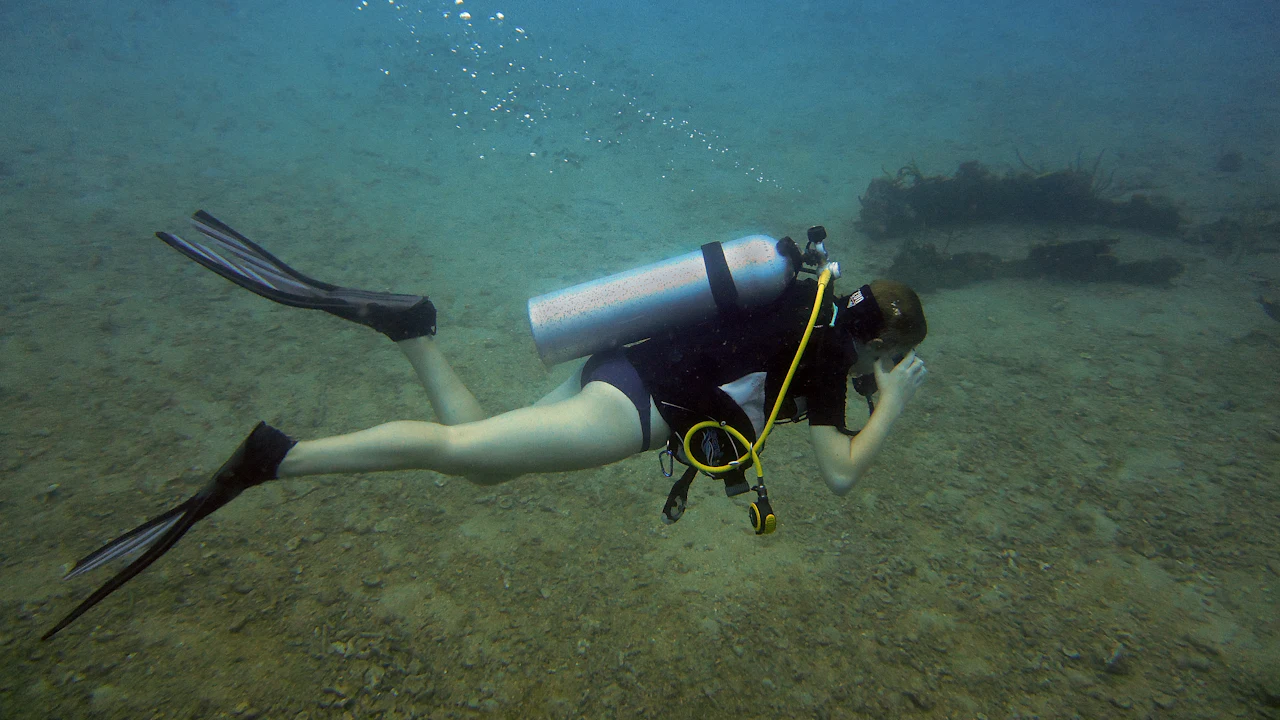
Alcohol and scuba diving risks: dehydration, DCS and narcosis
Beyond judgment, alcohol touches three dive-specific risks. None of them is dramatic on its own, but they stack together on a warm boat day.
Dehydration
DAN lists recent alcohol intake among the causes of dehydration, alongside seasickness, sweating and air travel. Our guide to dehydration and scuba diving on a tropical trip explains how dry tank air and warm weather add to the loss.
Decompression sickness
DAN describes dehydration, especially when severe, as a potential risk factor for decompression sickness (DCS). It adds that the tiredness and drowsiness dehydration brings can look like DCS, which makes symptoms harder to sort out. Our guide to decompression sickness symptoms and what to do covers the signs to watch for.
Nitrogen narcosis
Narcosis is the slightly drunk feeling some divers get at depth. DAN says alcohol may enhance it, and that a raised blood alcohol level, dehydration and narcosis together may lead to accidents that could have been avoided. Read more in our guide to nitrogen narcosis symptoms on deeper dives.
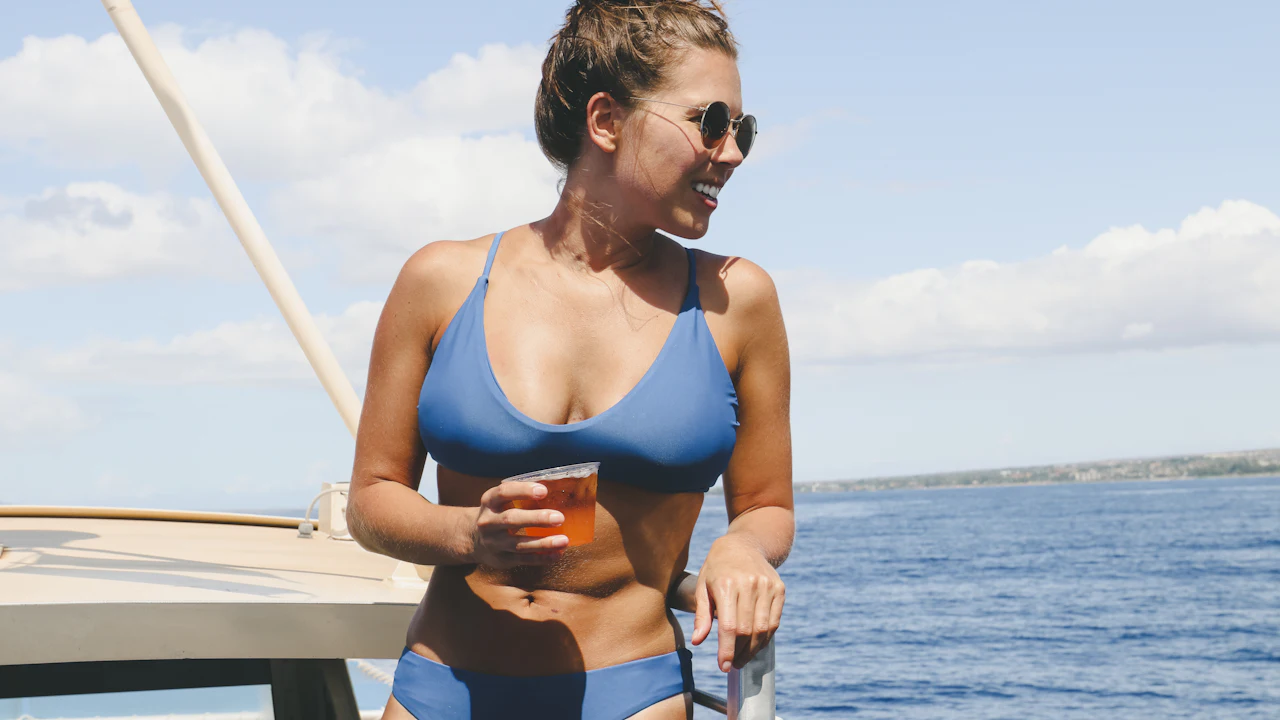
Drinking before diving: how long to wait
There is no magic number of hours that suits every diver. Your body clears alcohol at its own pace, and DAN’s Lee article does not set a fixed waiting period. What DAN does say is useful for planning.
On its page about psychiatric conditions and diving, DAN lists skills that decline when alcohol is in your system or has been in the previous 24 hours. They include reaction time, visual tracking, concentration, judgment and handling several tasks at once. DAN adds that a person with alcohol on board may not feel or look impaired, but still is.
| When | What DAN says | A practical habit |
|---|---|---|
| Between dives | Advises against drinking between dives | Water or juice on the boat |
| The evening before a dive day | Skills can stay impaired for up to 24 hours | Keep it light, or skip it, and get to bed early |
| Waking up hungover | Risk of injury for a hungover diver increases significantly | Sit the morning dive out |
| Feeling fine the next morning | You may not feel impaired but still be impaired | Do not rely on how you feel alone |
| After your last dive of the day | Alcohol still adds to dehydration | Drink water first, then enjoy your evening |
If you have other health conditions, the planning matters even more. Our guide to scuba diving with diabetes and DAN’s guidelines explains why steady fluids and clear judgment count on dive days.
Hangover diving: should you go?
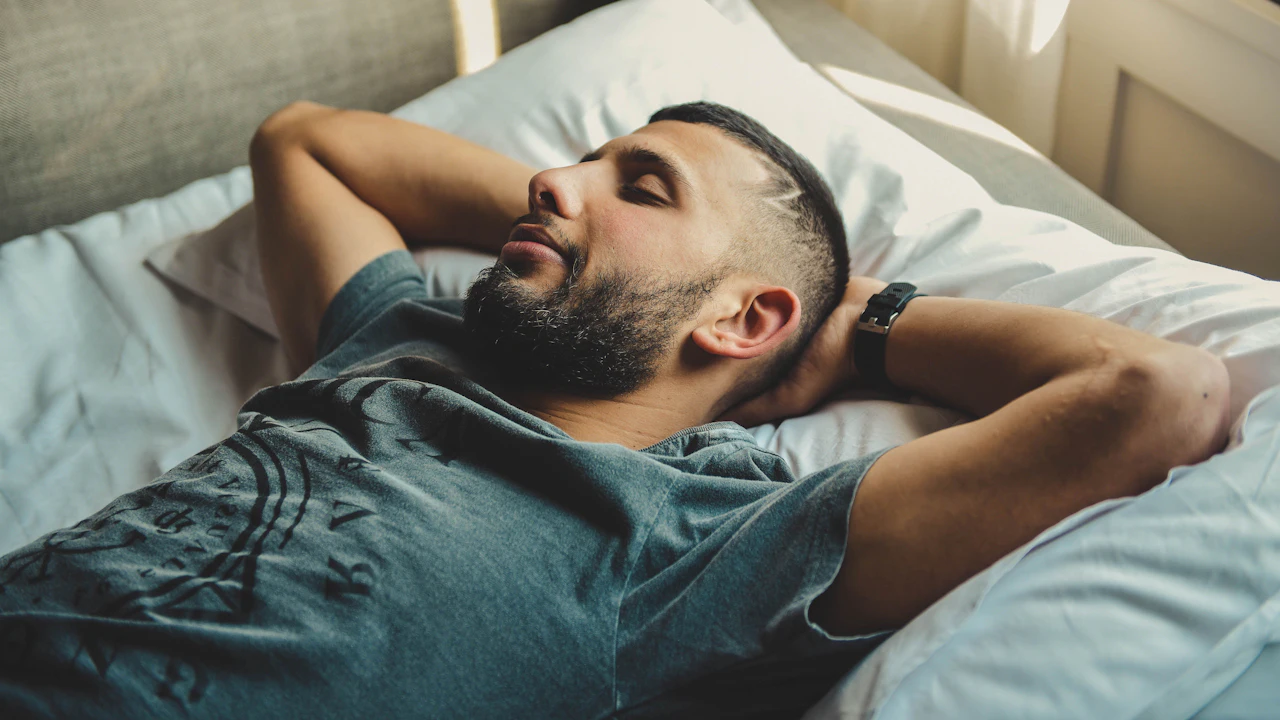
DAN is blunt here: the risk of injury for a hungover diver increases significantly, particularly if high blood alcohol levels were reached the night before. A hangover usually comes with a headache, a dry mouth and poor sleep, which are signs that you are already short on fluids before you board.
There is also the boat ride. A queasy stomach on a rolling deck is no fun, and seasickness adds to dehydration too. Missing one morning dive costs far less than a bad dive, and your afternoon or next-day trip will still be there.
Signs to sit a dive out
- You still feel the effects of last night, or you are not sure whether you do.
- You have a headache, nausea or a very dry mouth.
- You slept only a few hours.
- You are planning a deeper dive, where narcosis is more likely.
Drinking after diving
Many divers follow a simple habit: first drink after the last dive of the day. Once you are done diving, a drink at sunset is part of the holiday for plenty of people. Since alcohol adds to dehydration, start with water and food, and keep an eye on how you feel in the hours after a dive.
If something feels off after diving, such as unusual tiredness, joint pain or tingling, do not assume it is the drinks. DAN notes that tiredness from dehydration and DCS can be confused, so seek medical advice rather than sleeping it off. Then plan your evening around the next morning’s dive.
Diving with White Sands Dive Shop
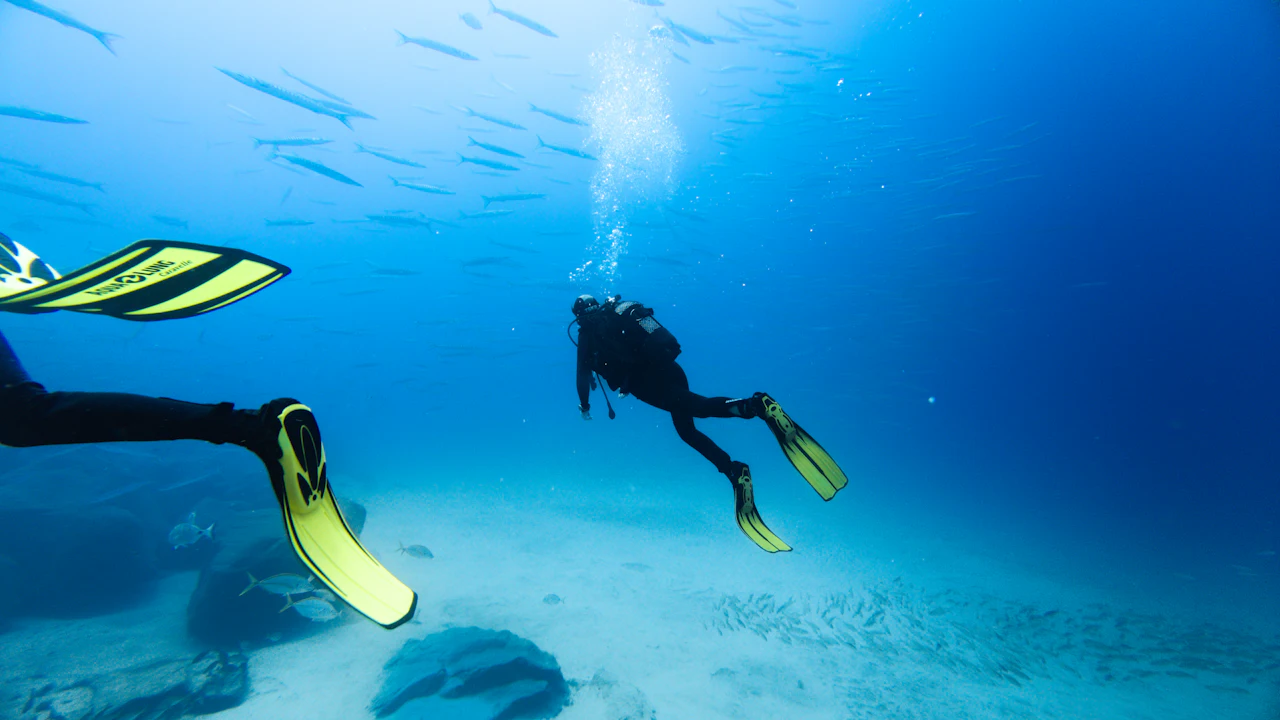
White Sands Dive Shop is a 5 Star PADI Dive Facility on the beach in San Pedro, owned and operated by PADI IDC Staff Instructor Elbert Greer. Local dive and snorkel trips leave at 9:00, so an early night pays off. Our guide to diving on Ambergris Caye covers the reef trips, and you can see current course prices on our Water Sports page.
Safety is part of how Elbert teaches. Vivake K. Bhalla called him “very friendly and fun, but equally very strict about safety”, and you can read more in the letters from Elbert’s dive students.
Alcohol and scuba diving: your questions answered
How long after drinking can you scuba dive?
DAN does not give one fixed number, but it says several skills needed for diving stay impaired when alcohol has been in your system in the previous 24 hours. Plan a light evening, or none, before a dive day.
Can you dive with a hangover?
It is a poor idea. DAN says the risk of injury for a hungover diver increases significantly, and a hangover usually means you are already dehydrated.
Does alcohol increase the risk of decompression sickness?
DAN lists recent alcohol intake as a cause of dehydration, and dehydration, especially when severe, is a potential risk factor for DCS. Tiredness from dehydration can also be confused with DCS symptoms.
Is it OK to drink after diving?
Many divers wait until after their last dive of the day. Drink water first, since alcohol adds to dehydration, and keep tomorrow’s dives in mind.
Does alcohol make nitrogen narcosis worse?
DAN says alcohol may enhance nitrogen narcosis, and that alcohol, dehydration and narcosis together may lead to preventable accidents.
Planning your dive days? Talk to Elbert
Tell us which days you want to dive and we can help you plan the trip around them. Email Elbert at elbertgreer@fastmail.fm or call 011 (501) 226 2405.