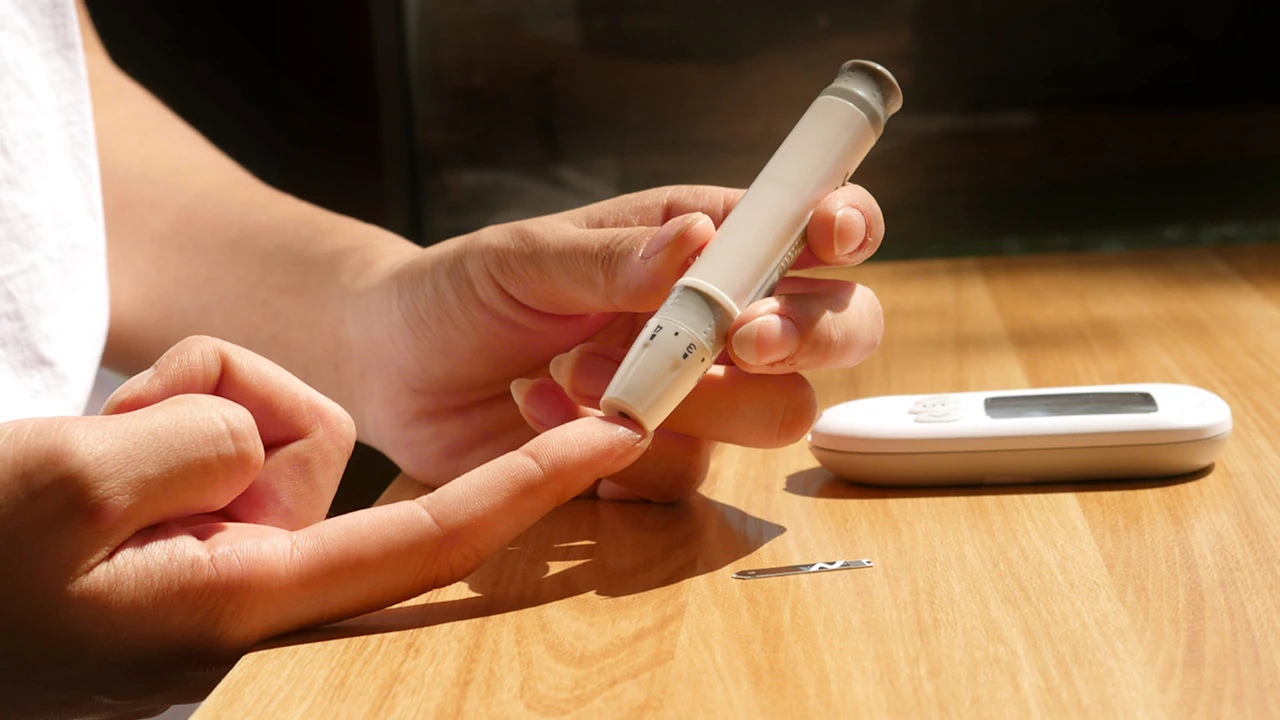
Scuba diving with diabetes is possible for many people, but it comes with conditions that your doctor needs to weigh. We hear the question from travelers with type 1 or type 2 diabetes who want to learn on holiday, and from certified divers who were diagnosed after their last trip.
We are a dive shop, not physicians, so this guide shares what the Divers Alert Network (DAN) says and how the dive medical form handles diabetes. It gives you the right questions to take to your own doctor, who makes the call on your fitness to dive.
Is scuba diving with diabetes allowed?
Quick answer: Often, yes, if a doctor clears you. DAN’s guidelines say people who manage diabetes with diet, tablets or insulin may dive recreationally when they meet set criteria, such as stable blood sugar control and no severe lows in the past year. A yes on the medical form means a physician must sign off first.
Can diabetics scuba dive? What DAN says
For years, people treated with insulin were simply told not to dive. That changed after DAN surveyed its members, found many divers with diabetes already diving, and ran observational studies. In 2005, DAN and the Undersea and Hyperbaric Medical Society (UHMS) held a workshop that produced consensus guidelines for diabetes and recreational diving.
Those guidelines say that people who treat diabetes with diet, oral medication or insulin may take part in recreational scuba when certain criteria are met. DAN describes them as guidelines that support an individual medical evaluation, not a blanket permission. Your own doctor still decides.
Why low blood sugar is the main concern
The worry underwater is hypoglycemia, a drop in blood sugar that can bring confusion or even loss of consciousness. On land you can sit down and eat something. At depth, the same episode can turn into a drowning risk for you and a rescue problem for your buddy.
Diving is also exercise, often in warm water after a long boat ride, and exercise can push blood sugar down. That is why the guidelines focus so much on testing, trends and having glucose close at hand.
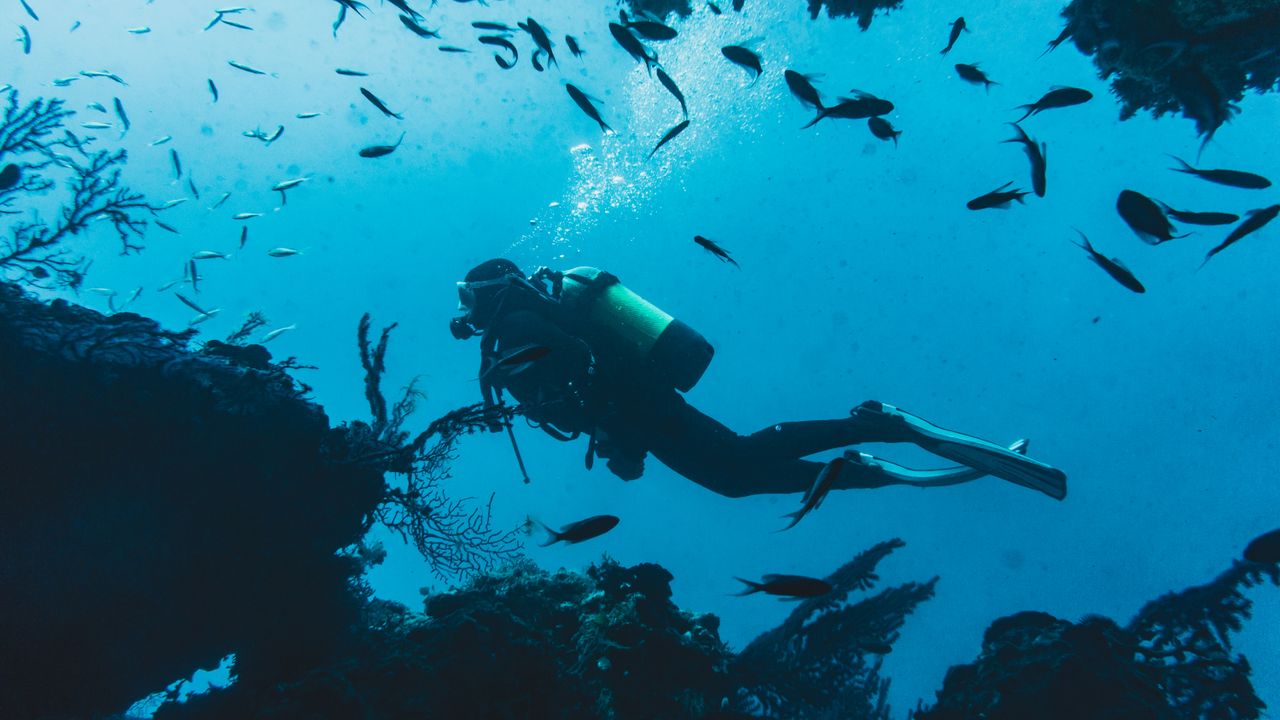
Who may dive under the guidelines
DAN lists selection criteria that a doctor checks before clearing a diver with diabetes. In plain terms, they ask whether your diabetes is stable, well controlled and free of serious complications. The table below sets them out next to the limits DAN suggests for the dives themselves.
| Area | What the DAN guidelines say | Who checks it |
|---|---|---|
| Age | 18 or older (16 or older in a special training program) | Your doctor |
| Medication changes | Wait 3 months after starting or changing tablets, 1 year after starting insulin | Your doctor |
| Severe lows or highs | None needing help from another person in the past year, and no hypoglycemia unawareness | Your doctor |
| HbA1c | 9 percent or lower before the first assessment and at each yearly review | Your doctor |
| Complications | No significant secondary complications of diabetes | Your doctor |
| Over 40 | Evaluation for silent heart disease | Your doctor |
| Depth and time | No deeper than 100 feet (30 meters), no longer than 60 minutes | You and your buddy |
| Type of dive | No required decompression stops, caves or wreck penetration, and no long cold or strenuous dives | You and your buddy |
DAN also expects a yearly review with a physician or diabetes specialist, and a written commitment to stop diving and seek a medical review after any diabetes-related problem. Ordinary fitness to dive still applies on top of all this.

The diabetes dive medical: questionnaire and doctor
Every scuba student completes the Diver Medical Participant Questionnaire before any in-water training. Diabetes is one of the conditions it asks about. A yes leads to follow-up questions, and a yes there means a physician must evaluate you and sign the form before you dive.
Our guide to the scuba diving medical questionnaire and physician sign-off walks through the form. Bring it to your appointment at home, well before you travel, so there is time for any tests your doctor wants.
Questions to take to your doctor
- Do I meet the DAN selection criteria, including my HbA1c and my history of lows?
- Should I adjust my insulin or tablets the evening before or the morning of a dive day?
- How should I handle a warm climate, boat rides and more exercise than usual?
- Would you like me to see a doctor trained in diving medicine as well?

Blood sugar on dive day: the DAN routine
The guidelines describe a clear routine for the day itself. It is built around seeing which way your blood sugar is moving, not just one reading.
- Check that you feel well and fit to dive that day.
- Test blood glucose at least three times: 60 minutes, 30 minutes and right before the dive.
- Enter the water only at 150 mg/dL (8.3 mmol/L) or higher, and stable or rising. DAN says to delay the dive below that level or above 300 mg/dL (16.7 mmol/L).
- Carry oral glucose at the surface and on every dive, with glucagon and someone trained to use it on the surface.
- Test again at the end of every dive, and often for 12 to 15 hours afterward, since late lows can happen.
DAN also asks you to log every dive with your glucose results and any treatment you needed. Over a few trips, that log helps you and your doctor plan future dives.
Your buddy and the “L” signal
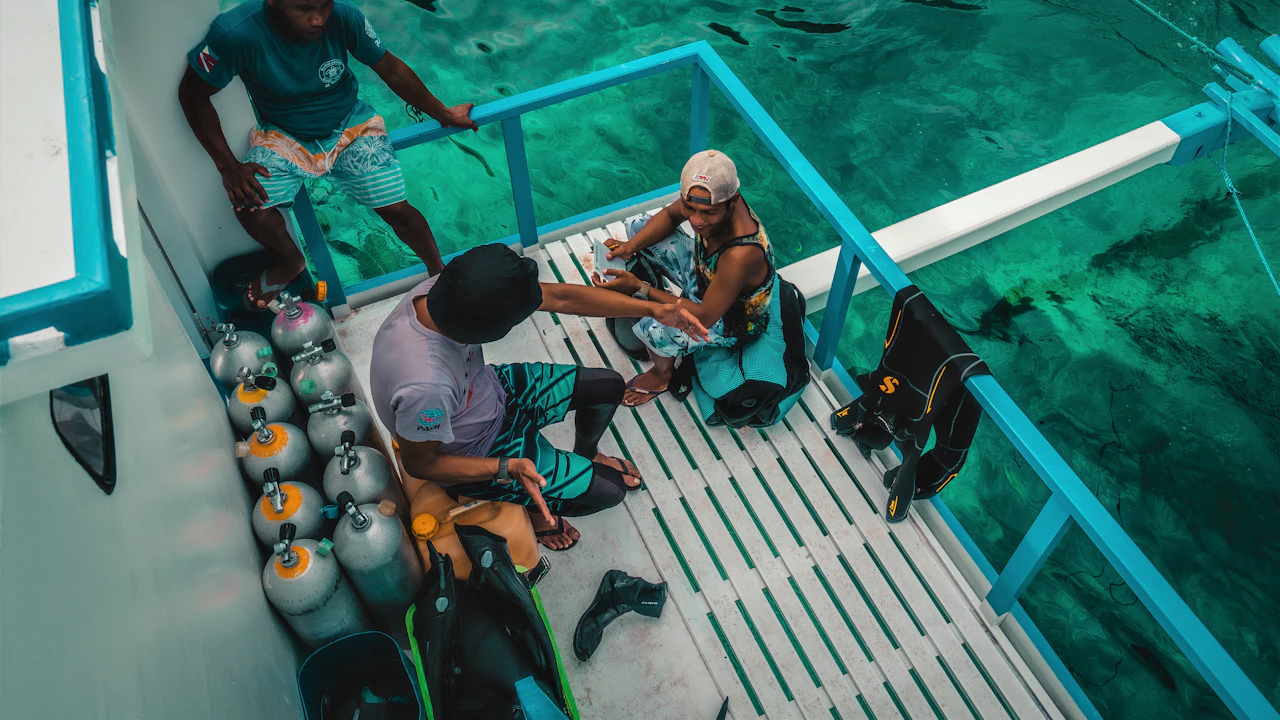
Your buddy or dive leader should know about your diabetes and what to do, and DAN says that buddy should not have diabetes. If you feel a low coming on underwater, the suggested signal is an “L” made with the thumb and index finger. You then surface together, inflate your BCD, take glucose and leave the water.
Drink enough, and think about the bar
DAN reminds divers with diabetes to take in plenty of fluids on dive days, because high blood sugar makes you lose more water. Our guide to dehydration and scuba diving on a tropical trip has simple habits for the boat. Alcohol also dehydrates and dulls judgment, so read our guide to alcohol and scuba diving on a dive holiday before the first evening out.

Learning to dive with White Sands Dive Shop
White Sands Dive Shop is a 5 Star PADI Dive Facility on the beach in San Pedro, owned and operated by PADI IDC Staff Instructor Elbert Greer. Our guide to learning to dive on Ambergris Caye covers every first step, and you will find each course and current course prices on our Water Sports page.
Students value a calm, careful teacher. Vivake K. Bhalla described Elbert as “very strict about safety”, and Minette Layne wrote that “you really calmed me down” before her refresher. Read more in the letters from Elbert’s dive students.
Scuba diving with diabetes: your questions answered
Can type 1 diabetics get scuba certified?
Many can. DAN’s guidelines allow people treated with insulin to dive recreationally if they meet the criteria, including waiting a year after starting insulin and having no severe lows in the past year. A physician must clear you first.
What blood sugar do you need to dive?
DAN’s guidelines say blood glucose should be at least 150 mg/dL (8.3 mmol/L) and stable or rising before entering the water. They advise delaying the dive below that level or above 300 mg/dL (16.7 mmol/L).
Does the dive medical form ask about diabetes?
Yes. The Diver Medical Participant Questionnaire asks about diabetes in its follow-up questions, and a yes there means a physician must evaluate you and sign the form before you dive.
How deep can a diver with diabetes go?
DAN’s guidelines suggest staying shallower than 100 feet (30 meters), keeping dives under 60 minutes and avoiding required decompression stops, caves and wreck penetration.
What should I do if my blood sugar drops underwater?
DAN suggests giving your buddy an L signal with thumb and index finger, surfacing together, inflating your BCD, taking oral glucose and leaving the water.
Questions before you book? Ask Elbert
Once your doctor has signed your medical form, get in touch and we can talk through the course or dives you have in mind. Email Elbert at elbertgreer@fastmail.fm or call 011 (501) 226 2405.