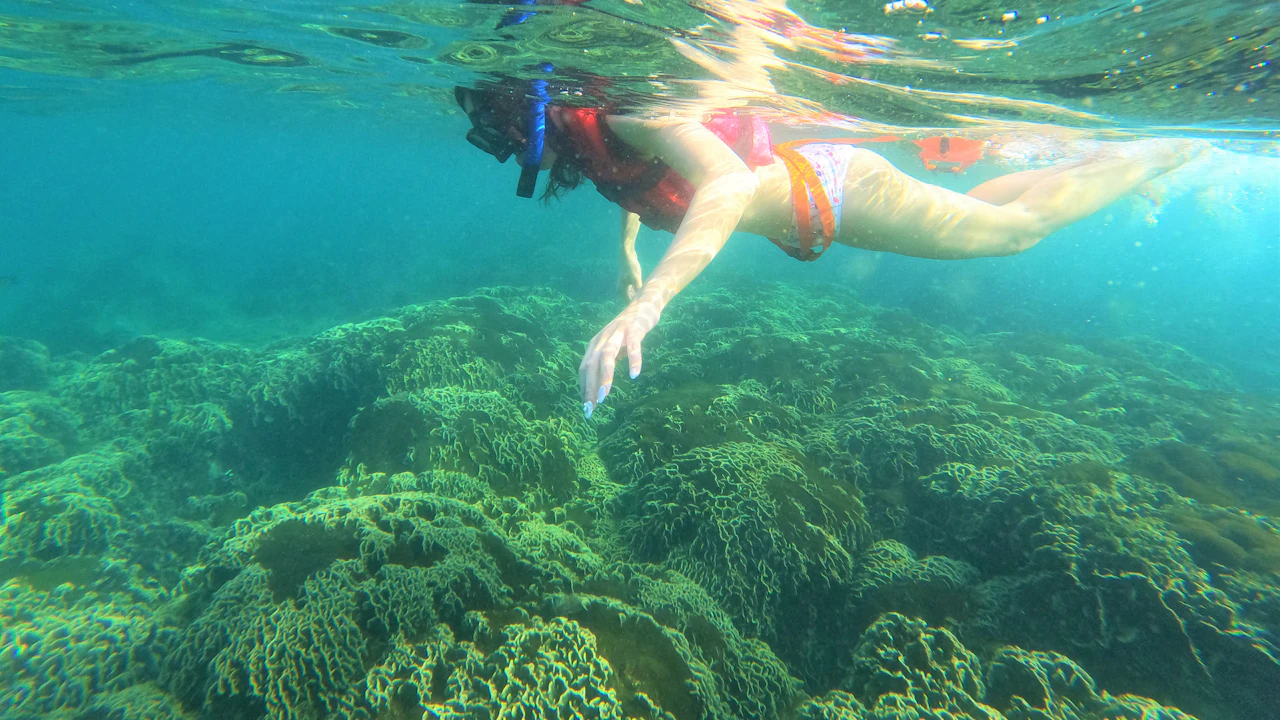
Your first look at a reef through a mask is one of the easiest thrills in the ocean. You do not need a certification, just a mask, a snorkel, a pair of fins and a few good habits. These snorkeling tips for beginners cover the problems almost every first-timer runs into, and how to fix them before they spoil the day.
This guide is for travelers who have never snorkeled, or who tried once and got a mouthful of salt water. We go through the gear, breathing, floating, safety and reef manners in the order you will need them.
What are the most important snorkeling tips for beginners?
Quick answer: Choose a mask that seals without the strap, keep hair out of the skirt and treat the lens against fog. Practice breathing through the snorkel in shallow water, kick slowly from the hips with long fins, and wear a flotation vest if you feel unsure. Always snorkel with a buddy and never touch the coral.
Get the mask right first
Nearly every bad first snorkel starts with the mask. A leaking or foggy mask makes you lift your head, and lifting your head is how water gets into the snorkel. Spend five minutes on the mask and the rest gets much easier.
How to snorkel without water in your mask
Test the fit on land. Place the mask on your face without the strap, breathe in gently through your nose, and let go. If it stays put, the skirt is sealing.
- Push every strand of hair out from under the skirt, including the hairline at your temples.
- Wear the strap above your ears, across the widest part of the back of your head, and keep it snug rather than tight.
- A mustache can break the seal, so try the fit test before the trip.
Stop the fog
A brand new mask carries a thin film from the factory, so scrub the inside of the lens with a little dish soap and rinse it well. Before each swim, rub in a drop of defog gel or baby shampoo and give it a quick rinse. Breathing out through your nose also warms and fogs the glass, so breathe through your mouth only.
Breathing through a snorkel without panic
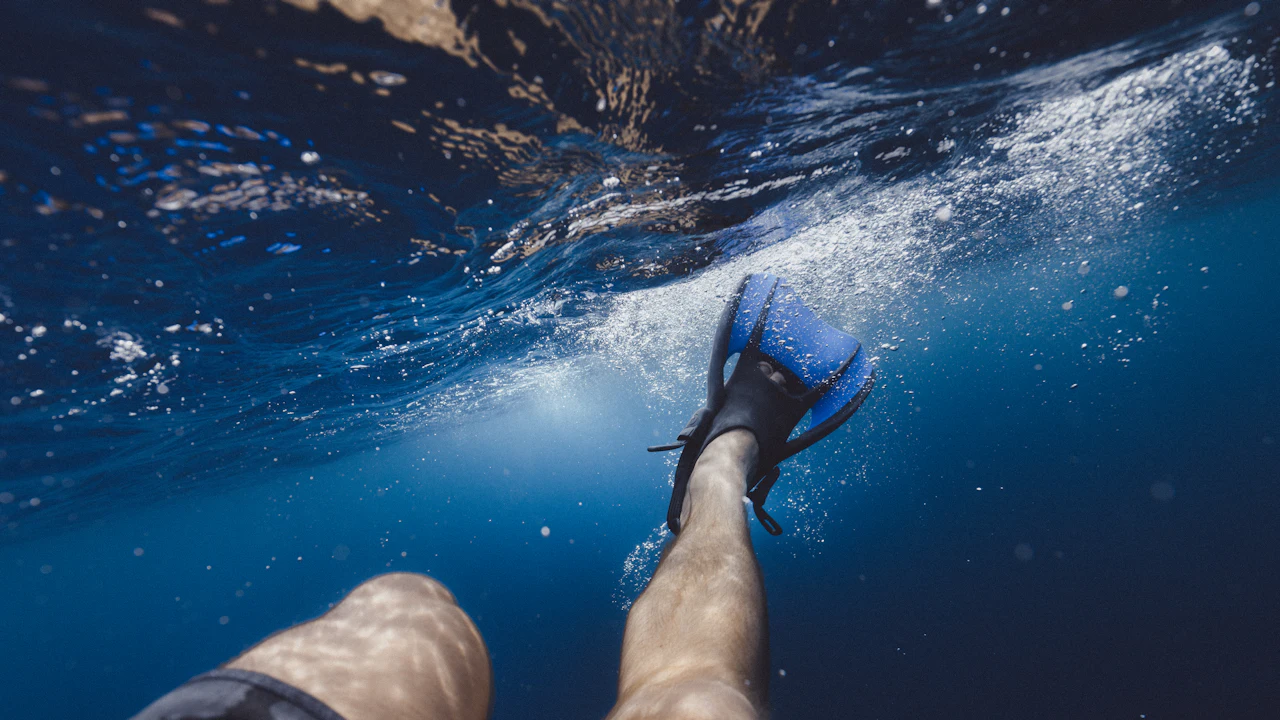
Breathing through a tube feels odd for the first minute. Start by standing in waist-deep water, put your face in, and take slow, deep breaths through your mouth. Once that feels normal, lie forward and float.
Keep your face down and look slightly ahead rather than straight forward. That keeps the top of the snorkel above the surface. If a splash comes down the tube, clear it with one sharp puff, as if you were blowing out candles, then breathe in cautiously in case a few drops remain.
If you feel short of breath, stop kicking, roll onto your back and rest. The Coral Reef Alliance’s Coral Reef Alliance snorkeling guidelines recommend practicing your skills away from the reef and making sure your gear fits before you get near coral, because it is hard to adjust in the water.
Fins, floating and flotation vests
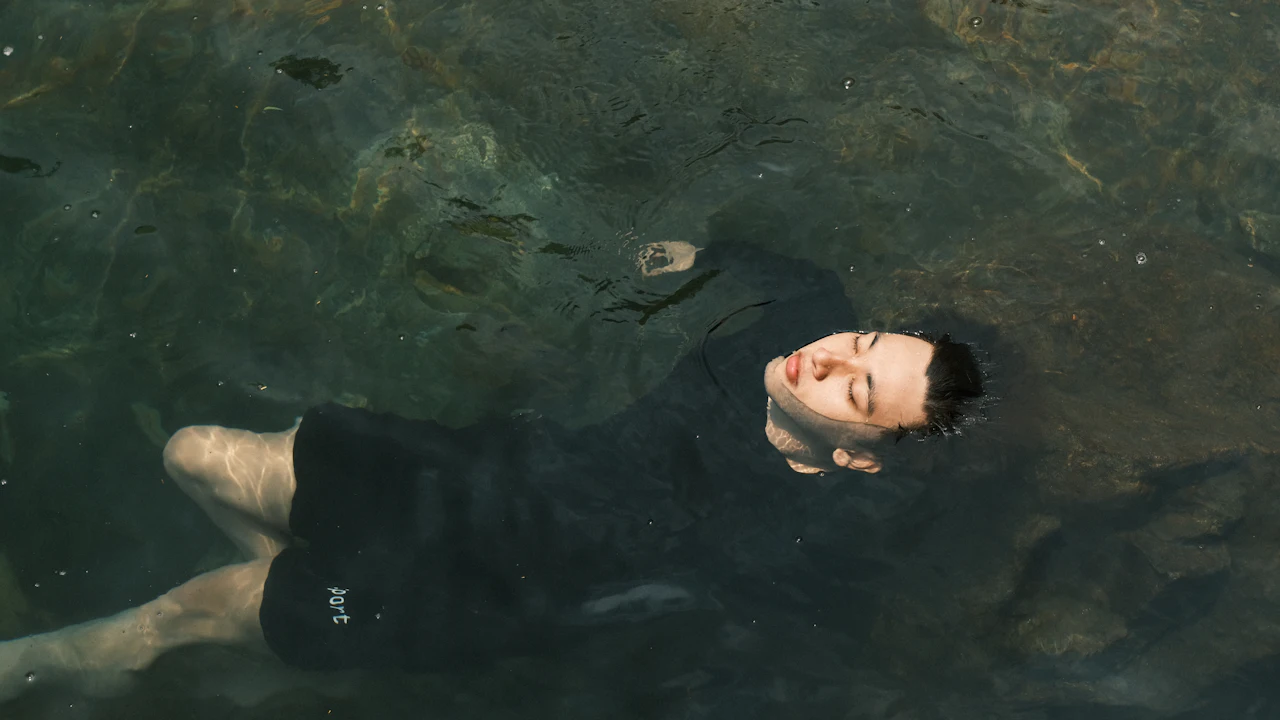
Fins do the work so your arms do not have to. Kick slowly from the hips with fairly straight legs and pointed toes, rather than pedaling like a bicycle. Keep your arms relaxed at your sides; the Coral Reef Alliance suggests learning to swim without using them at all.
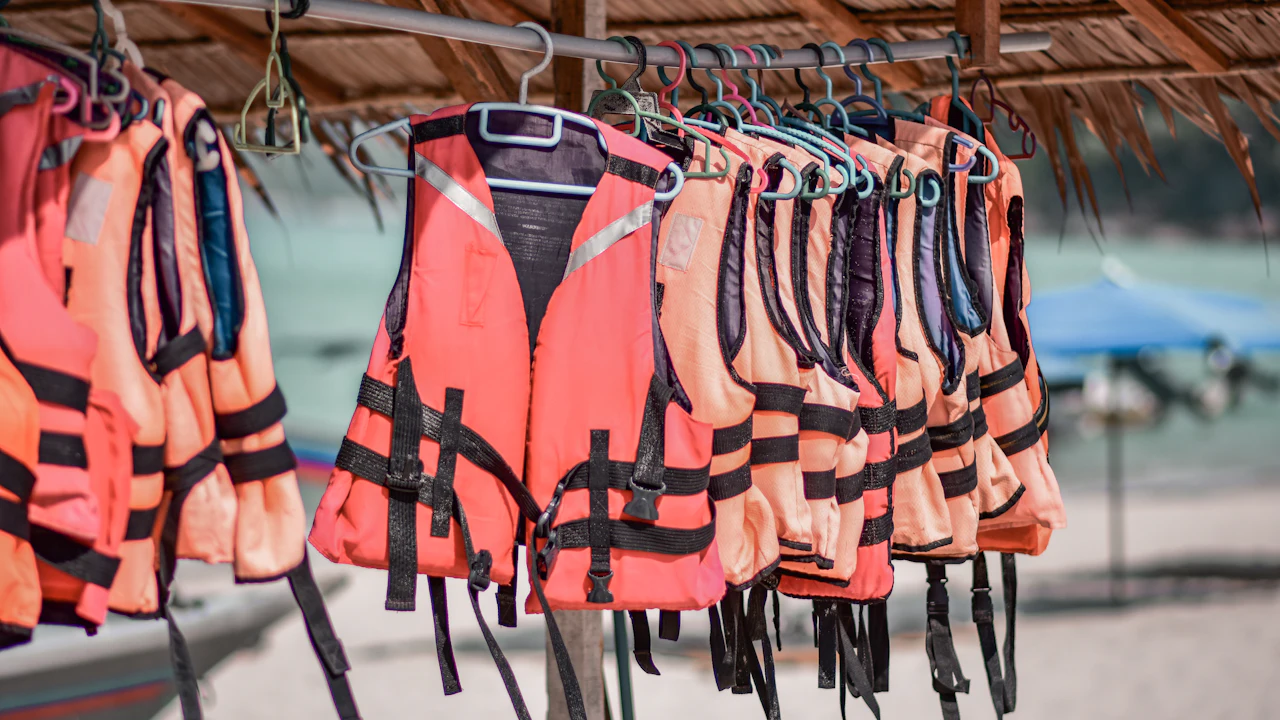
Salt water helps you float, and a relaxed body floats better than a tense one. If you are not a confident swimmer, or you simply feel uncertain, the same guidelines suggest a snorkel vest for added buoyancy. A vest lets you rest at the surface without standing on anything.
First time snorkeling: common problems and fixes
Here is what usually goes wrong and how to put it right.
| Problem | Usual cause | Simple fix |
|---|---|---|
| Water leaking into the mask | Hair under the skirt, strap too low or too tight | Clear the hair, move the strap up, loosen it a little |
| Mask fogging | Factory film, no defog, breathing out through the nose | Scrub the lens once, defog before each swim, breathe by mouth |
| Water in the snorkel | Lifting the head or a wave splash | Look down and slightly ahead, clear with one sharp puff |
| Tired or cramping legs | Bicycle kicks from the knees | Slow, long kicks from the hips |
| Feeling out of breath | Swimming too fast, nervous breathing | Stop, float on your back, take slow full breaths |
| Drifting away from the group | Current or wind you did not notice | Look up often, stay near your buddy and the boat |
Stay safe: buddies, currents and sun
Never snorkel alone. Agree with a buddy to stay within arm’s reach, and pick a simple signal for “I want to go back.” Every few minutes, lift your eyes and check where your buddy, the group and the boat are.
If you feel a current pulling you, do not fight it head on. Swim across it, or float and signal for help.
Your back is out of the water the whole time, so it burns fast. NOAA’s NOAA advice on protecting coral reefs suggests sunscreens with ingredients that do not harm marine life, plus UV-protective clothing. A long-sleeved rash guard does both jobs, and our guide to reef-safe sunscreen for snorkel and dive trips lists what to look for.
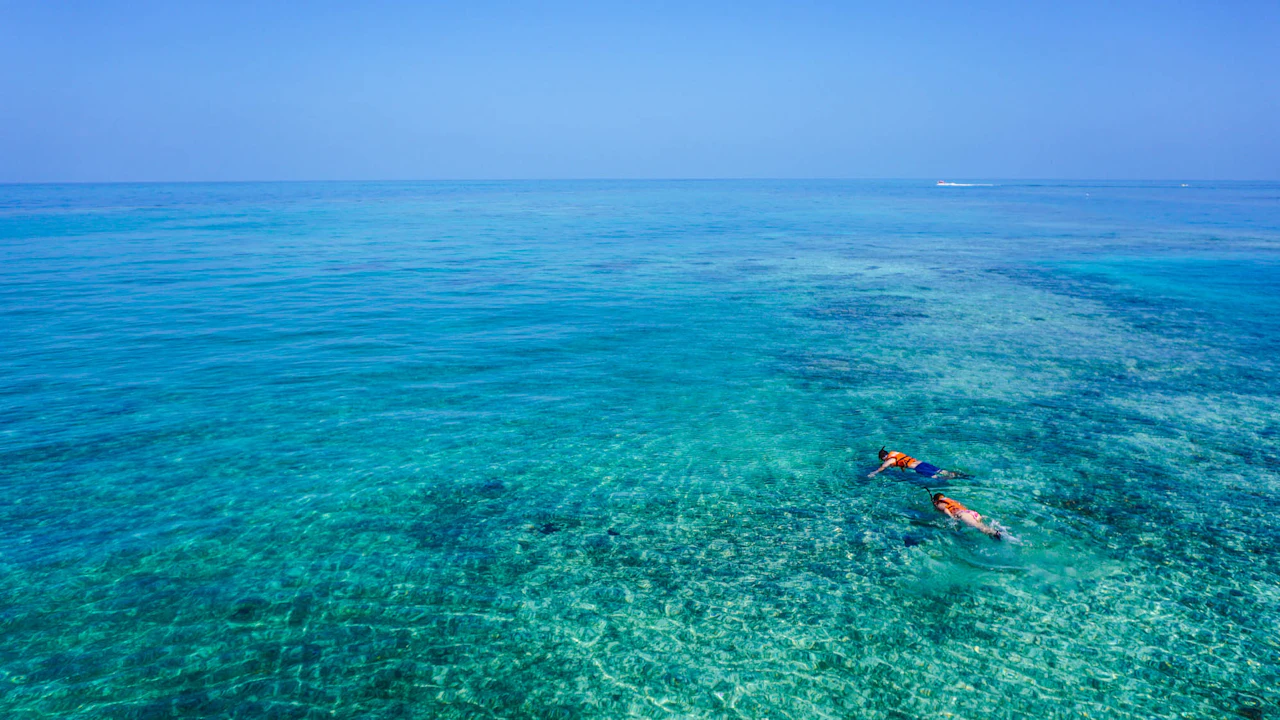
Be kind to the reef
Coral looks like rock, but it is alive, and even slight contact can harm it. Some corals can also sting or cut you. These habits come from the Coral Reef Alliance guidelines:
- Never stand on, touch or rest on coral, and keep a comfortable distance from it.
- Stay horizontal above the reef and know where your fins are, so you do not kick up sand.
- Never chase, touch or try to ride marine life.
- Take nothing living or dead out of the water.
Where to snorkel with us
White Sands Dive Shop runs two snorkel trips. Our Hol Chan and Shark Ray Alley snorkeling trip visits the marine reserve, and our Mexico Rocks snorkeling trip is the other snorkel trip on our schedule. Local trips leave at 9:00, and we pick you up at the dock of your hotel.
We rent masks, snorkels and fins, and you can find current trip and rental prices on our Water Sports page with courses and prices. Wondering whether to try a tank instead? Our snorkeling vs scuba diving comparison and our wider guide to diving and snorkeling on Ambergris Caye will help you decide.
Learn from a patient instructor
White Sands Dive Shop is a 5 Star PADI Dive Facility on the beach in San Pedro, owned and operated by Elbert Greer, PADI IDC Staff Instructor.
Minette Layne of Seattle wrote: “I was so panicked and you really calmed me down and set me up for a wonderful couple of weeks of diving and snorkeling.” You can read more in our letters from students Elbert has taught.
Snorkeling tips for beginners: your questions answered
Can I snorkel if I am not a strong swimmer?
Many people do. Salt water helps you float, and the Coral Reef Alliance suggests a snorkel vest for added buoyancy if you feel uncertain or are new to snorkeling. Practice in shallow water first.
Why does my snorkel mask keep fogging?
New masks carry a factory film that causes fog, so scrub the lens once with dish soap. Use defog before each swim and breathe out through your mouth, not your nose.
How do I get water out of my snorkel?
Blow one short, sharp puff through the snorkel, then take your next breath slowly in case a few drops remain. Keeping your face down and looking slightly ahead stops most water getting in.
Is it OK to stand on the reef to fix my mask?
No. Coral is alive and even slight contact can harm it. Float on your back, use a vest if you have one, or swim to sand or the boat to adjust your gear.
Book your first snorkel trip
Have a question about your first snorkel, or want to book a trip? Email Elbert at elbertgreer@fastmail.fm or phone 011 (501) 226 2405. Tell us how comfortable you are in the water, and we will help you pick the right trip.