Dehydration and scuba diving go together more often than most visitors expect. You spend the day surrounded by water, yet the tank air is dry, the sun is strong, and a vacation often comes with a few cold drinks in the evening. By the second or third dive day, many divers are running low without noticing.
This guide is for anyone planning a dive trip in a warm climate, from new Open Water divers to experienced ones doing several dives a day. We stick to what Divers Alert Network (DAN) says. It is general safety information, not medical advice, so ask a doctor about your own needs, especially if you take medication or have a health condition.
How are dehydration and scuba diving connected?
Quick answer: Divers Alert Network calls dehydration, particularly when severe, a potential risk factor for decompression sickness. Diving adds fluid loss through dry tank air and through immersion and cold. Even mild dehydration can bring poor judgment, weakness, headache and low energy, so drink fluids gradually through the day and limit alcohol before diving.
Why divers get dehydrated
Everyone loses water through sweating, breathing and going to the bathroom. In its article Drinking and Diving from Divers Alert Network, DAN adds that diving itself contributes to further fluid loss through breathing dry air and through diuresis caused by both immersion and cold. Diuresis simply means your body makes more urine.
Dry tank air
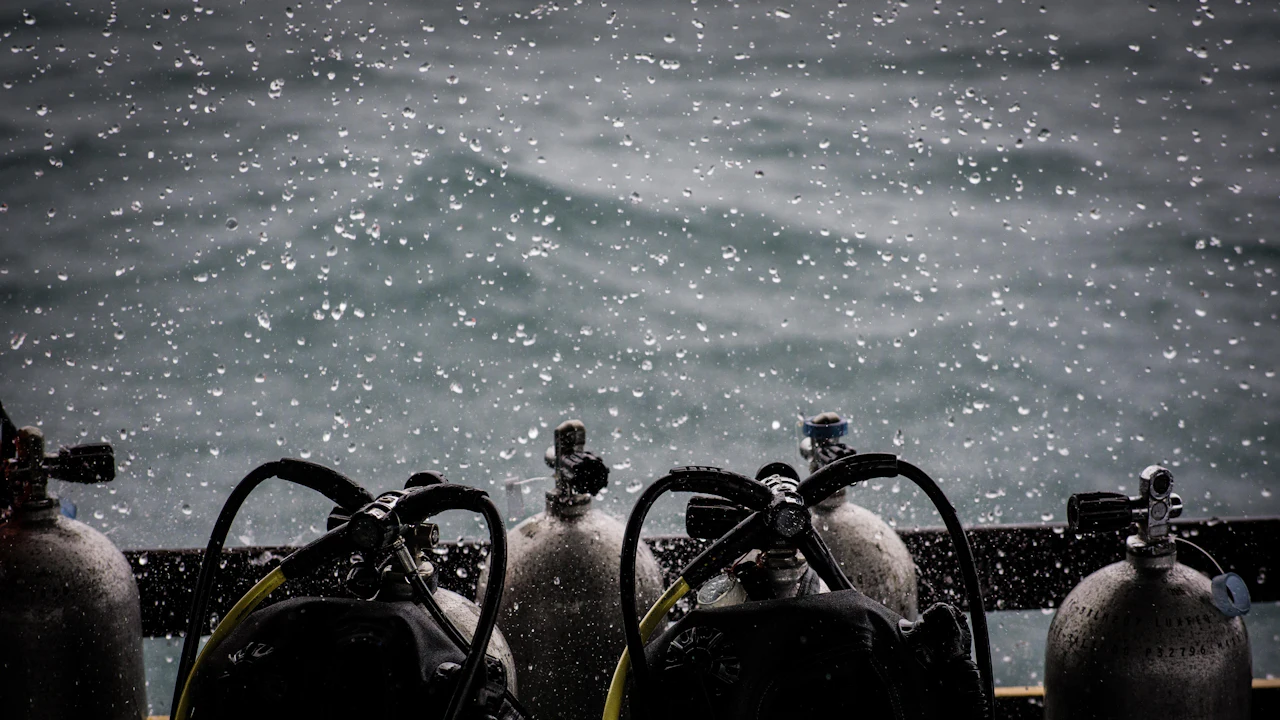
The air in a scuba tank is dry, and your body moistens every breath you take from it. Over an hour underwater, and then a second or third dive, that adds up. You will not feel it happening, which is why it catches people out.
Immersion diuresis
DAN explains that being immersed in water, especially cool water, narrows blood vessels in the skin and limbs and shifts blood toward the core. The body reads this as extra fluid and makes more urine, so you will probably leave the water with a full bladder. DAN also notes that caffeinated drinks may promote this effect.
Heat, sun, seasickness and alcohol
DAN lists recent alcohol intake, seasickness, traveler’s diarrhea, excessive sweating, diuretic medications and air travel as possible causes of dehydration. A typical dive vacation can tick several of those boxes in a single day. If you are prone to queasy stomachs on boats, our seasickness tips for divers on a boat day are worth reading before your trip.
| Source of fluid loss | What DAN says | A practical habit |
|---|---|---|
| Dry tank air | Breathing dry air adds to fluid loss | Drink between dives, not only after the last one |
| Immersion and cold | Both cause diuresis, so you make more urine | Replace what you lose during the surface interval |
| Caffeine | May promote immersion diuresis | Go easy on coffee before the boat leaves |
| Alcohol | Evening drinking can worsen dehydration | Skip alcohol the night before a dive day |
| Heat and sweating | Hot, humid weather may raise fluid needs | Sip fluids gradually through the whole day |
| Seasickness | Listed by DAN as a cause of dehydration | Plan ahead if you get queasy on boats |
Dehydration and decompression risk
DAN describes dehydration, particularly when severe, as a potential risk factor for decompression sickness (DCS). Its nutrition guidance adds that proper hydration may help reduce DCS risk and supports eliminating dissolved gases from body tissues. DAN is careful with its wording, and so are we: hydration is one piece of safe diving, not a guarantee.
There is a second reason to care. DAN notes that some symptoms of dehydration, such as fatigue or drowsiness, can mimic DCS and cause diagnostic confusion. If you feel unwell after a dive, do not assume it is just thirst: read our guide to decompression sickness symptoms after diving and seek medical help.

Signs of dehydration to watch for
DAN’s DAN travel guide to dehydration and exposure lists the warning signs. Mild dehydration alone can cause several of them.
- Poor judgment, weakness, headache and lack of energy.
- Urine that darkens in color and declines in amount.
- Very dry mouth and other mucous membranes.
- Skin that loses some of its elasticity.
One trap is specific to divers. DAN warns that your first urine after immersion may be clear even if you are dehydrated, because immersion diuresis dilutes it. So clear urine right after a dive is not proof that you are well hydrated.
Poor judgment matters underwater, too. DAN notes that alcohol may enhance the effects of narcosis, and that elevated blood alcohol, dehydration and narcosis together may lead to otherwise preventable accidents. Our guide to nitrogen narcosis symptoms on deeper dives explains that side of the picture.
Hydration tips for divers
DAN’s advice is steady rather than dramatic: drink fluids gradually during the day, and expect to need more than usual when you are active or the weather is hot and humid. Food counts as well, since DAN notes it supplies a large share of your daily fluid. More is not always better, though, as DAN warns that overhydration can be a factor in pulmonary edema.
- Start the day hydrated, with water at breakfast.
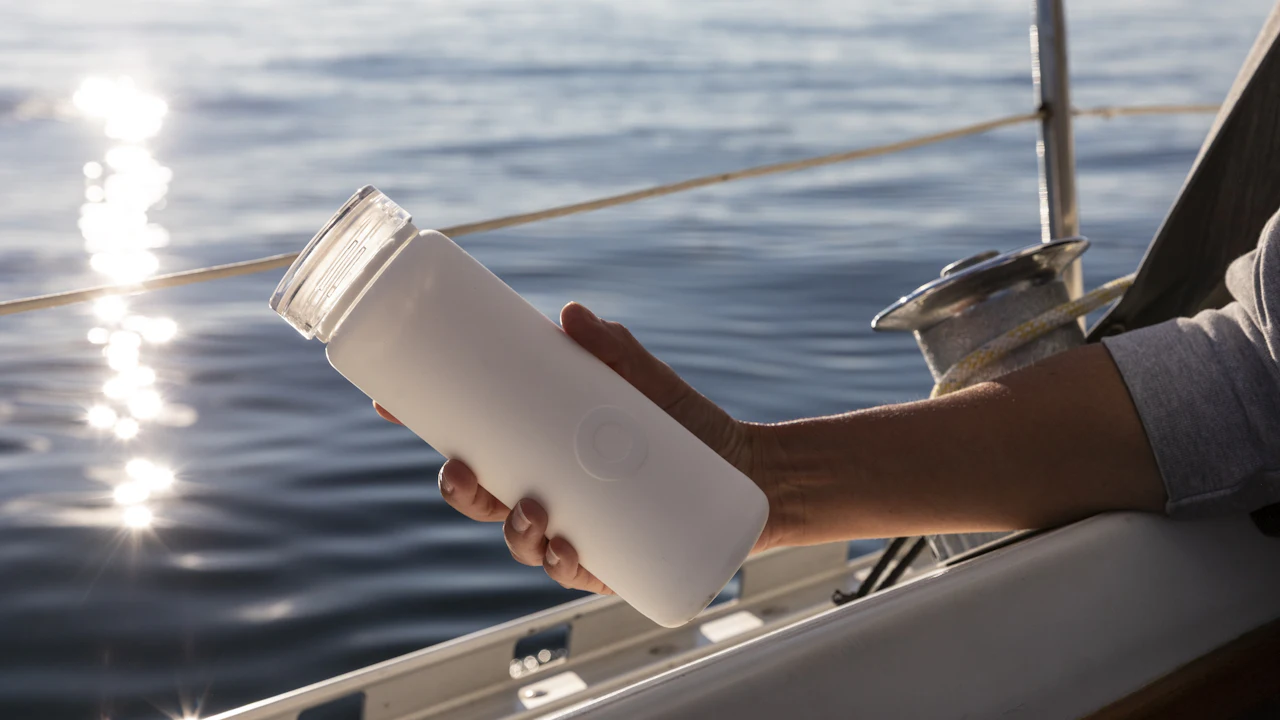
- Bring a refillable water bottle on the boat and sip between dives.
- Do not skip drinking to avoid needing the bathroom.
- Keep coffee moderate before the boat leaves.
- Avoid alcohol the evening before a dive day, as DAN advises.
- Stay in the shade and covered up during surface intervals.
How much water should divers drink?
DAN does not give a set amount for divers. Its travel guide says travelers in hot and humid places may need more than the commonly recommended 8 cups (almost 2 liters) of water per day. It also advises against restricting salt in those climates, and against ever drinking salt water. Your doctor can tell you what is right for your body.

Planning a dive day around hydration
Our dive trip packing list for Belize includes the small things that help on a hot boat day, starting with a refillable water bottle. Our Great Blue Hole and Lighthouse Reef day trip includes continental breakfast, lunch, snacks and drinks, which helps on a long day of three dives.
For local reef trips and what to expect, see our guide to scuba diving on Ambergris Caye, and find current prices on our Water Sports page of dives and PADI courses.
Dive with Elbert
White Sands Dive Shop is a 5 Star PADI Dive Facility on the beach in San Pedro, owned and operated by Elbert Greer, PADI IDC Staff Instructor. Local dive and snorkel trips leave at 9:00, with pickup at the dock of your hotel.
Minette Layne wrote after a refresher with Elbert: “I was so panicked and you really calmed me down and set me up for a wonderful couple of weeks of diving and snorkeling.” Read more in our letters from students Elbert has taught.
Dehydration and scuba diving: your questions answered
Does dehydration increase the risk of decompression sickness?
Divers Alert Network describes dehydration, particularly when severe, as a potential risk factor for decompression sickness. Staying well hydrated is one part of safe diving.
Why do divers get dehydrated?
DAN says diving adds fluid loss through breathing dry tank air and through diuresis caused by immersion and cold. Heat, sweating, seasickness and alcohol add to it.
How much water should I drink when diving?
DAN gives no set amount for divers. It advises drinking gradually through the day and notes travelers in hot, humid places may need more than the usual 8 cups a day, so ask your doctor about your own needs.
Is clear urine after a dive a sign I am hydrated?
Not necessarily. DAN warns that your first urine after immersion may be clear even if you are dehydrated.
Should I avoid alcohol before diving?
Yes. DAN advises avoiding evening alcohol if you plan to dive the next day, because it can worsen dehydration and impair judgment.
Questions before your dive trip?
Planning several dive days and want to pace them well? Email Elbert at elbertgreer@fastmail.fm or phone 011 (501) 226 2405. Tell us your dates and experience, and we will help you plan a comfortable schedule.