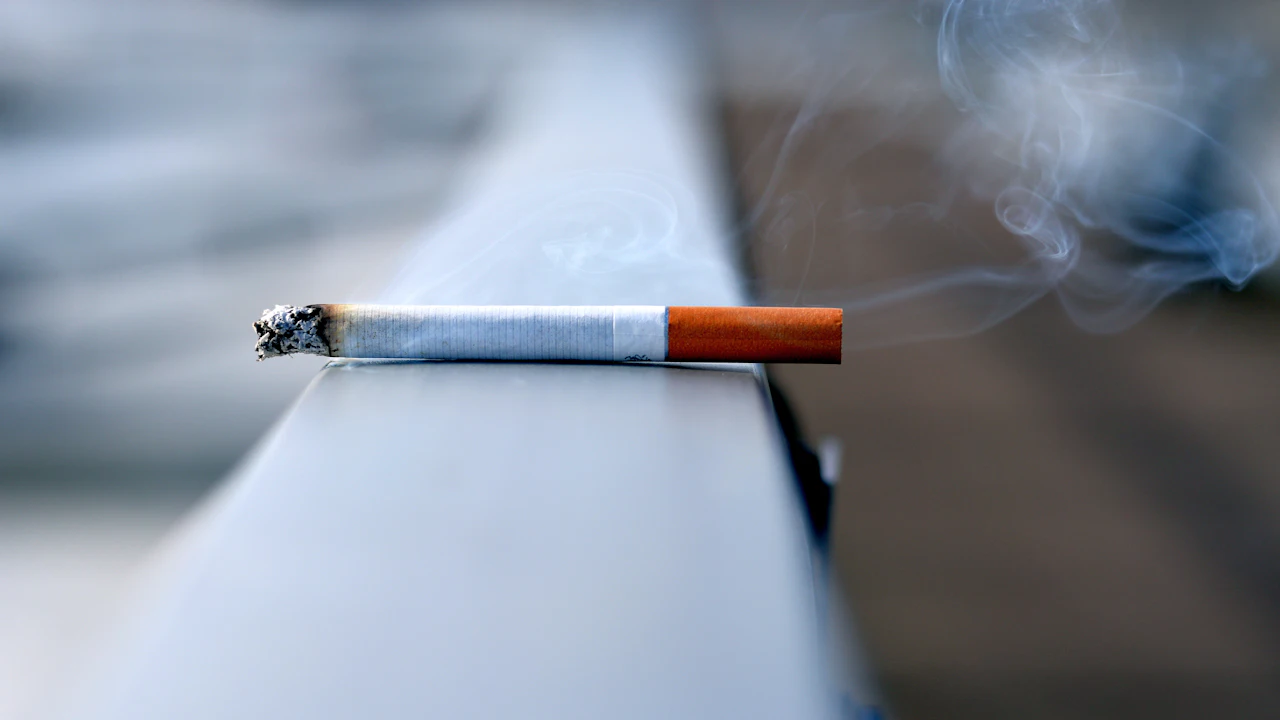
Plenty of people who smoke also love the reef, and many of them ask us quietly before a trip whether scuba diving and smoking can mix. It is a fair question that deserves a straight answer.
This guide is for smokers, vapers and their dive buddies. We sum up what Divers Alert Network (DAN), the dive medicine authority, says about smoking, the lungs, carbon monoxide, circulation and decompression, and what the CDC says about smoking and health. It is general information, not medical advice, so your own doctor has the final word.
Is scuba diving and smoking a safe combination?
Quick answer: Smoking does not automatically stop you from diving, but DAN’s experts call it a poor match. Smoking raises carbon monoxide and lowers oxygen in the blood, harms the airways over time and is linked to more severe decompression injuries. DAN advises smokers to abstain immediately before and after a dive and to talk to a doctor.
Can smokers scuba dive?
In short, many do. DAN’s article on tobacco, marijuana and asthma in divers describes smoking as a matter of choice that divers are discouraged from, not an automatic bar. One of its experts, Dr. Claus-Martin Muth, puts it bluntly: smoking and diving is not a good idea at all.
The same article notes that the standard dive medical form treats smoking less strictly than asthma. As our guide to the scuba diving medical questionnaire explains, smoking appears among the follow-up questions for divers over 45, and a yes there can lead to a doctor’s evaluation.

How smoking affects your lungs underwater
Air in your lungs expands as you rise, so healthy lungs matter underwater. Our guide to how to breathe while scuba diving explains why you never hold your breath on the way up.
Mucus, cilia and trapped air
DAN explains that smoking paralyzes the cilia, the tiny hairs that sweep mucus out of the airways. Mucus can then block small airways and cause parts of the lung to overexpand during an ascent. Dr. Muth describes a valve effect, where air can get into a blocked section but not back out.
That overexpansion is the route to arterial gas embolism, a serious dive injury. DAN’s other expert, Dr. Tom Neuman, adds an important balance: there is currently no evidence that smokers with normal airway function have a higher risk of air embolism than nonsmokers.
Long-term lung damage
The bigger worry is the slow change. DAN notes that smoking narrows and inflames the small airways, and that the loss of airflow is progressive and largely irreversible. Signs resembling early chronic obstructive pulmonary disease (COPD) can appear in smokers as young as 30 to 40.
The CDC’s overview of cigarette smoking and health confirms that smoking causes lung diseases such as COPD. Dr. Muth warns that smokers may have to give up diving earlier than they would like as their lung function declines.

Carbon monoxide, the heart and circulation
Each cigarette brings an acute effect too. DAN lists increased carbon monoxide and reduced oxygen levels in the blood among the immediate effects of smoking.
The CDC states that smoking causes heart disease and stroke. Dr. Neuman points out that the greatest underlying medical risk for middle-aged divers is undiagnosed coronary artery disease, so DAN advises a clinical check of its risk factors for all divers. Our guide to fitness for scuba diving covers the physical side of being ready for a dive.
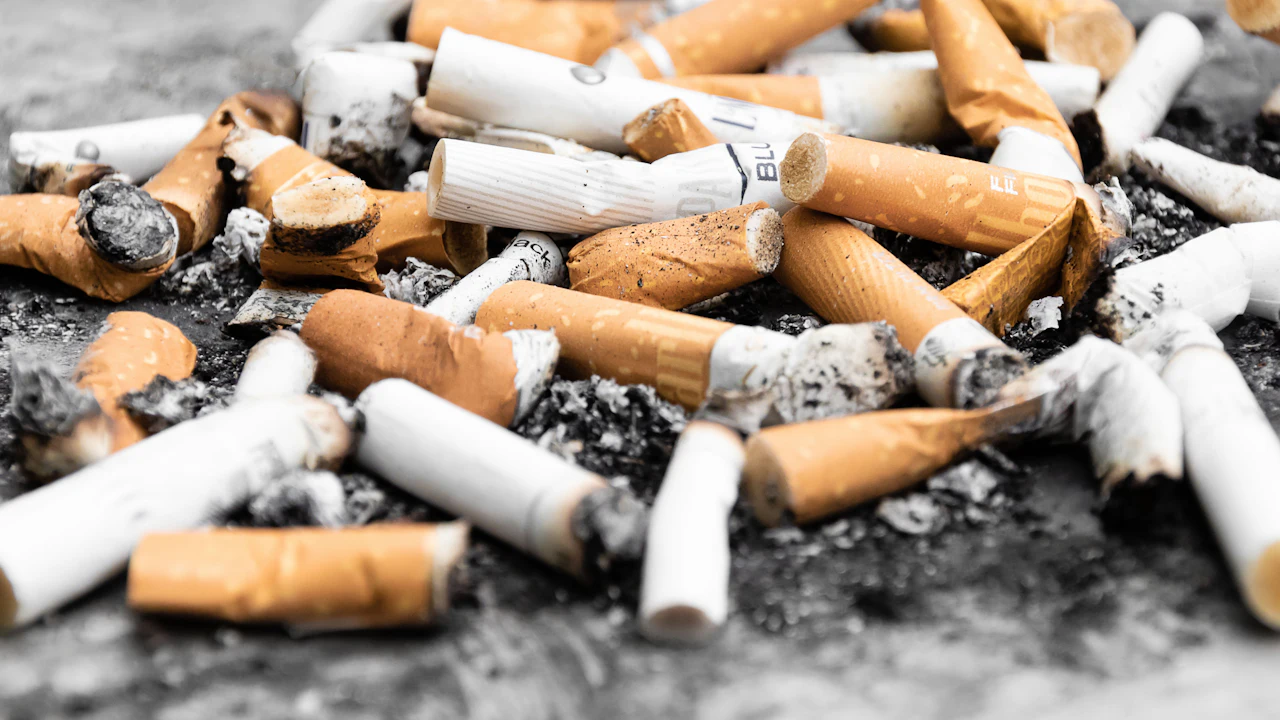
Smoking and decompression sickness
Here the evidence is more nuanced than many websites suggest. Dr. Muth cites a Duke University study that found smoking is a risk factor for more severe symptoms when a decompression injury happens. He also says there is no clear evidence that smoking makes such injuries more frequent.
There is a plausible reason for concern, though. Smoking narrows blood vessels and reduces blood flow to tissues, and Dr. Muth notes that this may affect how the body gets rid of nitrogen after a dive. That is one reason DAN’s experts discourage smoking around dives.
| Concern | What DAN or the CDC says | What it means on a dive day |
|---|---|---|
| Blood oxygen | Smoking raises carbon monoxide and lowers oxygen in the blood (DAN) | DAN’s expert advises no smoking immediately before or after the dive |
| Airways | Paralyzed cilia and mucus can trap air on ascent (DAN) | Never hold your breath on the way up |
| Lung function | Smoking causes COPD (CDC); damage is progressive (DAN) | Long-term smokers may need a lung function test |
| Heart | Smoking causes heart disease and stroke (CDC) | Ask your doctor to check heart risk factors |
| Decompression | Linked to more severe symptoms, not proven to raise frequency (DAN) | Another reason to skip smoking around dives |
| Vaping | No research on vaping and diving together; airway and artery concerns (DAN) | Treat it as a lung question for your doctor |
Vaping and diving
Switching to e-cigarettes does not settle the question. In a 2019 answer on vaping and diving, DAN said it knew of no research on the two in combination, so it drew on general vaping research instead.
That research describes higher airway resistance and airway inflammation, and animal studies found stiffer arteries after vapor exposure. DAN concluded that vapor is less harmful than cigarette smoke in many ways, but that anything which affects the lungs could be harmful for diving. Its summary: quitting smoking altogether is by far the best risk reducer for divers.

Before and after your dives
If you smoke and plan to dive, a few practical points follow from what DAN’s experts say. None replaces a talk with your doctor.
- Skip the cigarette around the dive: Dr. Muth advises smokers to abstain immediately before and after diving.
- Answer the medical form honestly: smoking is one of the questions for divers over 45, and a yes may mean a doctor signs you off first.
- Ask about a lung test: DAN’s experts say long-term smokers with a significant smoking history should probably have their lung function evaluated, while occasional smokers with no symptoms and a normal exam may not need one.
- Think about quitting: the CDC says quitting has health benefits at any age, no matter how long or how much you have smoked.
Recovering from an operation as well? Read our sibling guide to scuba diving after surgery and getting cleared to dive.
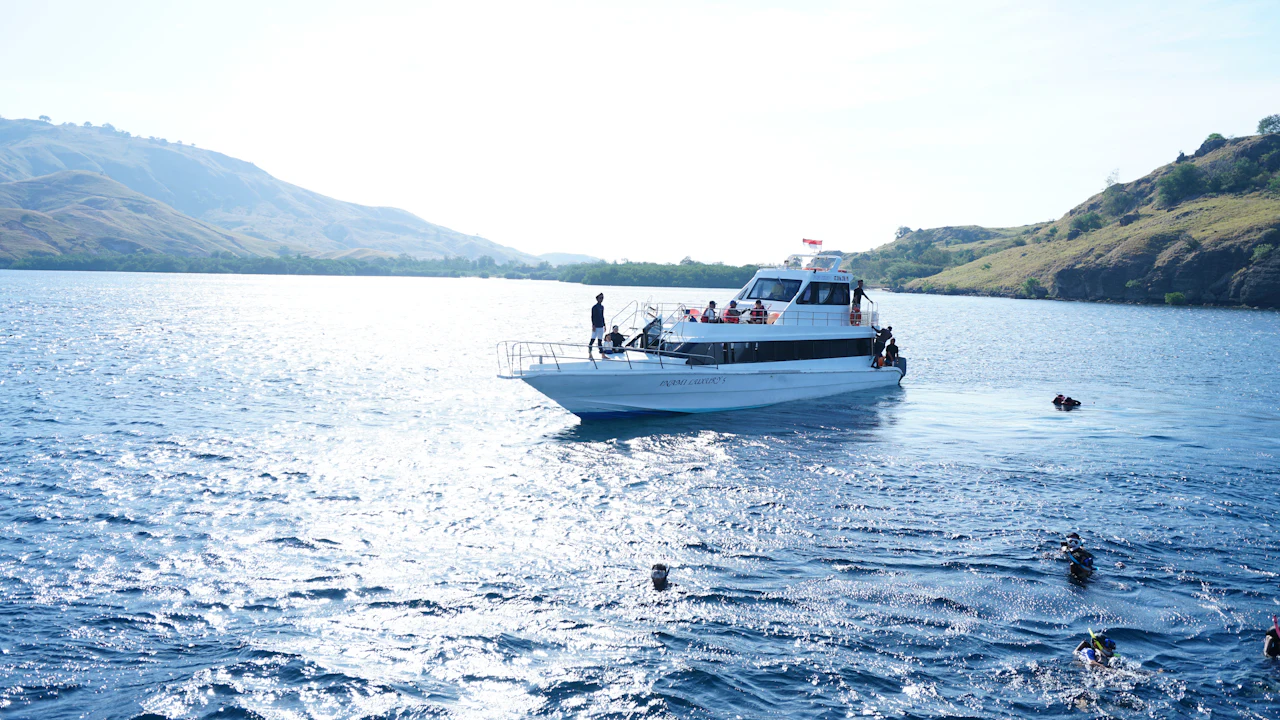
Diving with a PADI instructor who puts safety first
White Sands Dive Shop is a 5 Star PADI Dive Facility on the beach in San Pedro, owned and operated by PADI IDC Staff Instructor Elbert Greer. Our guide to diving on Ambergris Caye shows what the reef has to offer, and our course list and current prices on the Water Sports page cover every PADI program.
Students notice the approach. Vivake K. Bhalla wrote that Elbert was “very friendly and fun, but equally very strict about safety”. You can read more in the letters from Elbert’s dive students.
Scuba diving and smoking: your questions answered
Can smokers scuba dive?
Many do, and smoking is not an automatic bar. DAN’s experts discourage it, though, because of its effects on the lungs, blood oxygen and circulation, so talk to your doctor before you dive.
Should I smoke before or after a dive?
DAN’s expert Dr. Claus-Martin Muth advises smokers to abstain immediately before and after the dive. Smoking raises carbon monoxide and lowers oxygen in the blood.
Does smoking increase the risk of decompression sickness?
A Duke University study cited by DAN found smoking is linked to more severe symptoms when decompression injury happens. DAN’s expert says there is no clear evidence that it makes such injuries more frequent.
Is vaping safer for diving than smoking?
DAN knows of no research on vaping and diving together. It says vapor is less harmful than cigarette smoke in many ways but still raises airway and artery concerns, and that quitting is the best risk reducer.
Do smokers need a medical before diving?
Smoking is one of the follow-up questions for divers over 45 on the dive medical form, and a yes can mean a doctor’s evaluation. DAN’s experts suggest a lung function test for long-term smokers.
Questions before your dive trip?
Want to talk through your diving plans before you travel? Email Elbert at elbertgreer@fastmail.fm or call 011 (501) 226 2405.