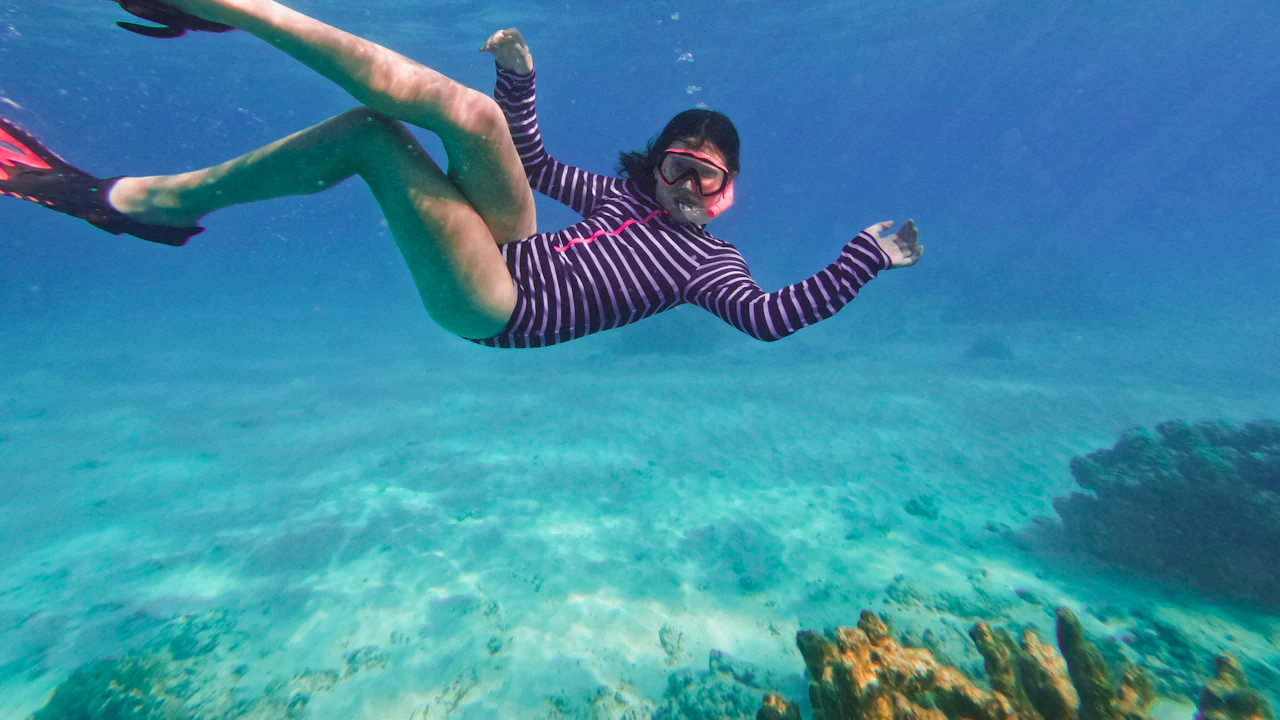
A rash guard for snorkeling is a thin, stretchy top that covers your back and shoulders while you float face down over the reef. It is one of the simplest ways to come home from a snorkel trip without a burned back.
This guide is for first-time and occasional snorkelers packing for warm water. We explain what a rash guard protects against, how it compares with a wetsuit and a full skin suit, how it should fit, and why it works best alongside reef-safe sunscreen, using guidance from PADI and the training agency SDI (TDI/SDI).
Do you need a rash guard for snorkeling?
Quick answer: It is a smart choice in warm water. SDI says a rash guard protects you from sunburn and also from stings and scrapes, where a swimsuit alone does not. Choose one that is clingy but not restrictive, cover as much skin as you can, and add reef-safe sunscreen on anything left bare.
What a rash guard protects you from
SDI’s tips for snorkeling on vacation say that in warm water you might be tempted to wear just a swimsuit, but a rash guard can protect you from sunburn. The same article says it will also protect you from stings and scrapes.
Sun, above and below the surface
Snorkelers spend most of their time with their back to the sky, which is exactly where burns happen. SDI’s skin cancer awareness article warns that being in the water gives limited protection, because UV rays can reach several yards into the water column.
The same article notes that the water’s surface reflects sunlight and amplifies its intensity, and that light also bounces off white surfaces on boats. Its advice is to wear rash guards, wetsuits and other clothing that covers as much skin as possible, and to look for a UPF (Ultraviolet Protection Factor) rating.
Stings and scrapes
SDI’s point is simple: skin under fabric is better covered against stings and scrapes. SDI also reminds snorkelers not to touch or stand on coral, which is fragile and can cut you. If you do get stung, our jellyfish sting first aid guide and our guide to seabather’s eruption and its itchy rash explain what to do.
Rash guard vs wetsuit vs skin suit
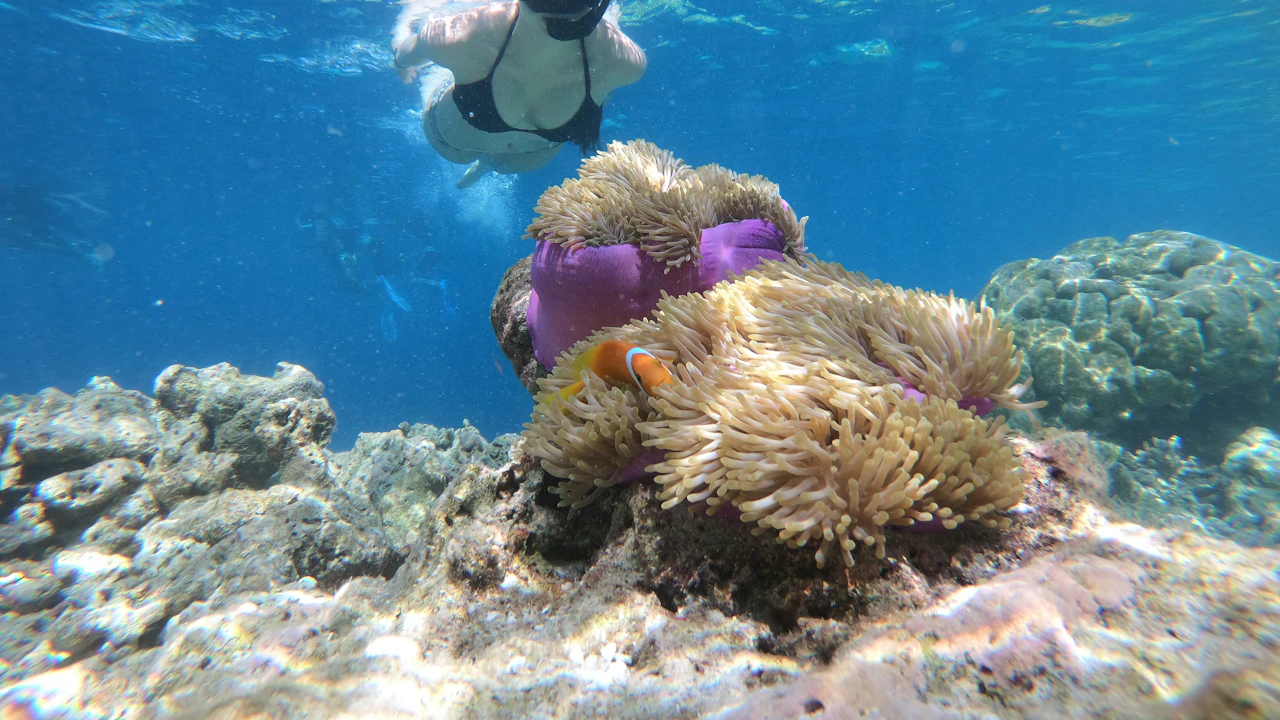
PADI’s guide to body suits and rash guards describes rash guards as tops that come in long-sleeve, short-sleeve or vest styles. Body suits, also called skin suits or dive skins, have little or no insulation and are meant for very warm water or as a layer under another suit.
PADI says full-body jumpsuits are the most popular body suits because they cover your arms and legs completely. Wetsuits are a different thing: PADI says they provide insulation and help protect from cuts, scrapes and stings, with 3 mm common for warm water. SDI adds that at some sites a wetsuit can keep you warm and help you float, so you can stay in the water longer.
| Option | Coverage | Warmth | Best for |
|---|---|---|---|
| Rash guard | Top only: long sleeve, short sleeve or vest | Little | Sun, stings and scrapes on warm-water snorkels |
| Skin suit (body suit, dive skin) | Full-body jumpsuits cover arms and legs | Little or none; some linings add a little | Very warm water, or a layer under a wetsuit |
| Wetsuit | Shorty to full suit | Insulation, set mainly by thickness | Longer time in the water, warmth and some buoyancy |
For most warm-water snorkelers the choice comes down to how much skin you want covered. A rash guard handles your back and arms, and a full skin suit adds your legs, which are easy to forget.
Fit and fabric: choosing a rash guard for snorkeling
PADI says body suits are made from stretchy synthetic fabrics such as Lycra, which give a close fit and resist abrasion. Some have a soft inner lining that adds a little warmth underwater and blocks wind at the surface.
- Fit: PADI’s rule is that it should be clingy, but not restrictive.
- Coverage: PADI recommends a full-body suit, or at least a rash guard. SDI’s advice is to cover as much skin as possible.
- Sun rating: SDI suggests looking for clothing with a UPF rating.
- Packing: PADI notes body suits are light and fold small, so they are easy to travel with.
- Styles: PADI lists hooded vests and bottoms in shorts or long pants, and says many designs are unisex.
Caring for it
PADI’s care advice is short. Rinse the suit in fresh water, dry it thoroughly, ideally on a hanger, and wash it with mild soap if it starts to smell.
Pairing a rash guard with reef-safe sunscreen
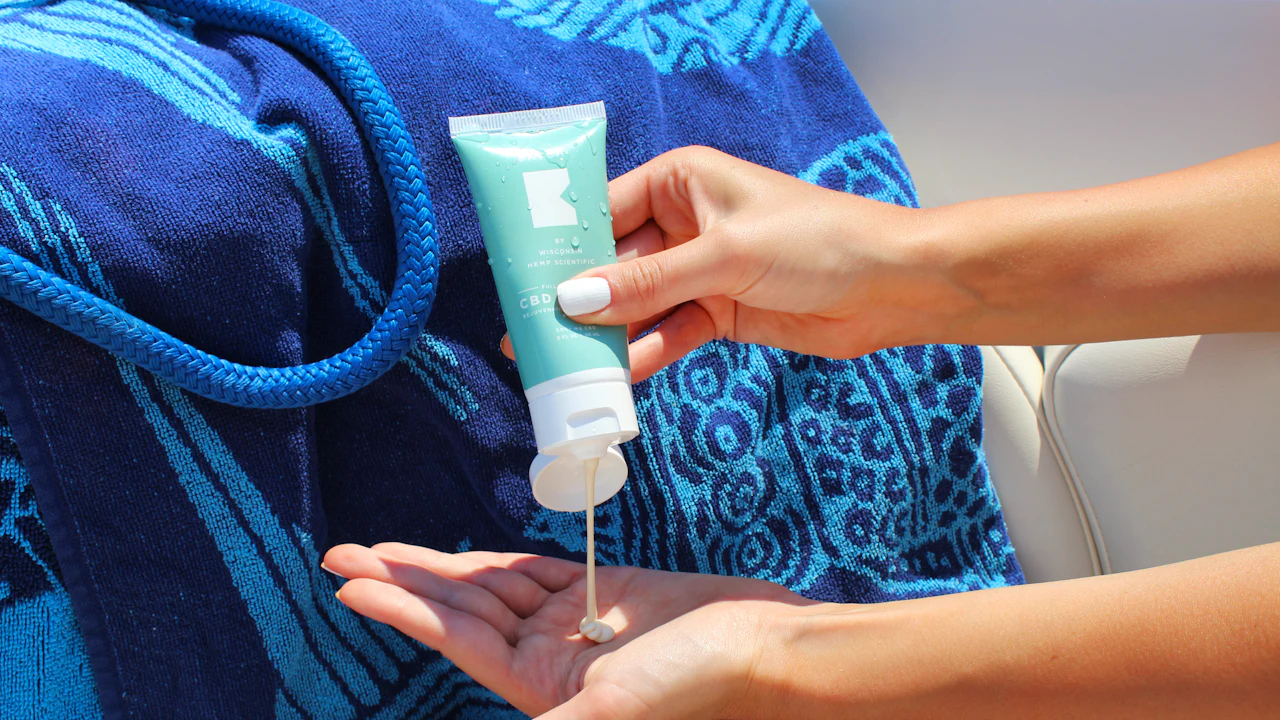
A rash guard does not cover everything. SDI recommends a reef-safe sunscreen for extra sun protection that does not harm the coral reef, and its skin cancer article suggests a broad-spectrum, water-resistant sunscreen with SPF 30 or higher, reapplied every two hours or more.
SDI points to the spots people often miss: the ears, the neck and the scalp. It also notes that some diving destinations prohibit certain types of sunscreen, and suggests asking a local dive professional. Our guide to reef-safe sunscreen for Belize trips explains what to look for.
SDI also recommends regular skin self-checks and an annual check with a dermatologist. If you notice changes in your skin, see your doctor.
More snorkeling and gear guides
If this is your first time with a mask and fins, start with our snorkeling tips for beginners. Divers weighing hand protection can read our sibling guide to scuba diving gloves and when to wear them.
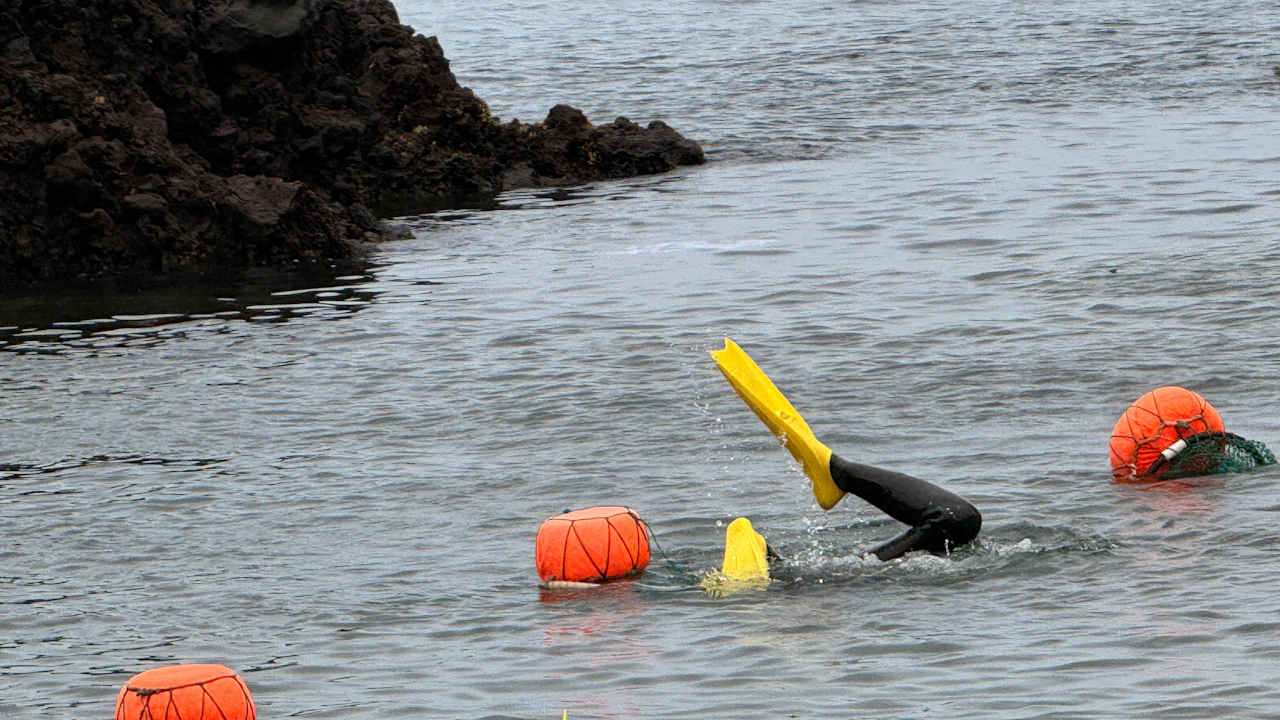
White Sands Dive Shop runs daily snorkel trips, including Hol Chan with Shark Ray Alley and Mexico Rocks, leaving at 9:00 with pickup at your hotel dock. Our guide to diving and snorkeling on Ambergris Caye covers the reef.
Snorkel with a PADI instructor’s shop
White Sands Dive Shop is a 5 Star PADI Dive Facility on the beach in San Pedro, owned and operated by PADI IDC Staff Instructor Elbert Greer. Our current trip and course prices on the Water Sports page list every program.
Minette Layne of Seattle wrote: “you really calmed me down and set me up for a wonderful couple of weeks of diving and snorkeling.” You can read more in the letters from Elbert’s students.
Rash guard for snorkeling: your questions answered
Should I wear a rash guard when snorkeling?
In warm water it is a good idea. SDI says a rash guard protects you from sunburn and also from stings and scrapes, which a swimsuit alone does not.
Rash guard or wetsuit for snorkeling?
A rash guard is a light top for sun, stings and scrapes. PADI says wetsuits add insulation, and SDI notes a wetsuit can keep you warm and help you float so you can stay in longer.
What is a lycra skin suit?
PADI describes body suits, also called skin suits or dive skins, as stretchy Lycra garments with little or no insulation, meant for very warm water or as a layer under a wetsuit. Full-body versions cover your arms and legs.
Do I still need sunscreen with a rash guard?
Yes, on any skin left bare. SDI recommends reef-safe, broad-spectrum, water-resistant sunscreen with SPF 30 or higher, reapplied every two hours, and reminds you about ears, neck and scalp.
How should a rash guard fit?
PADI says it should be clingy, but not restrictive.
Questions before your snorkel trip?
Want to talk through a snorkel trip or what to pack? Email Elbert at elbertgreer@fastmail.fm or call 011 (501) 226 2405.